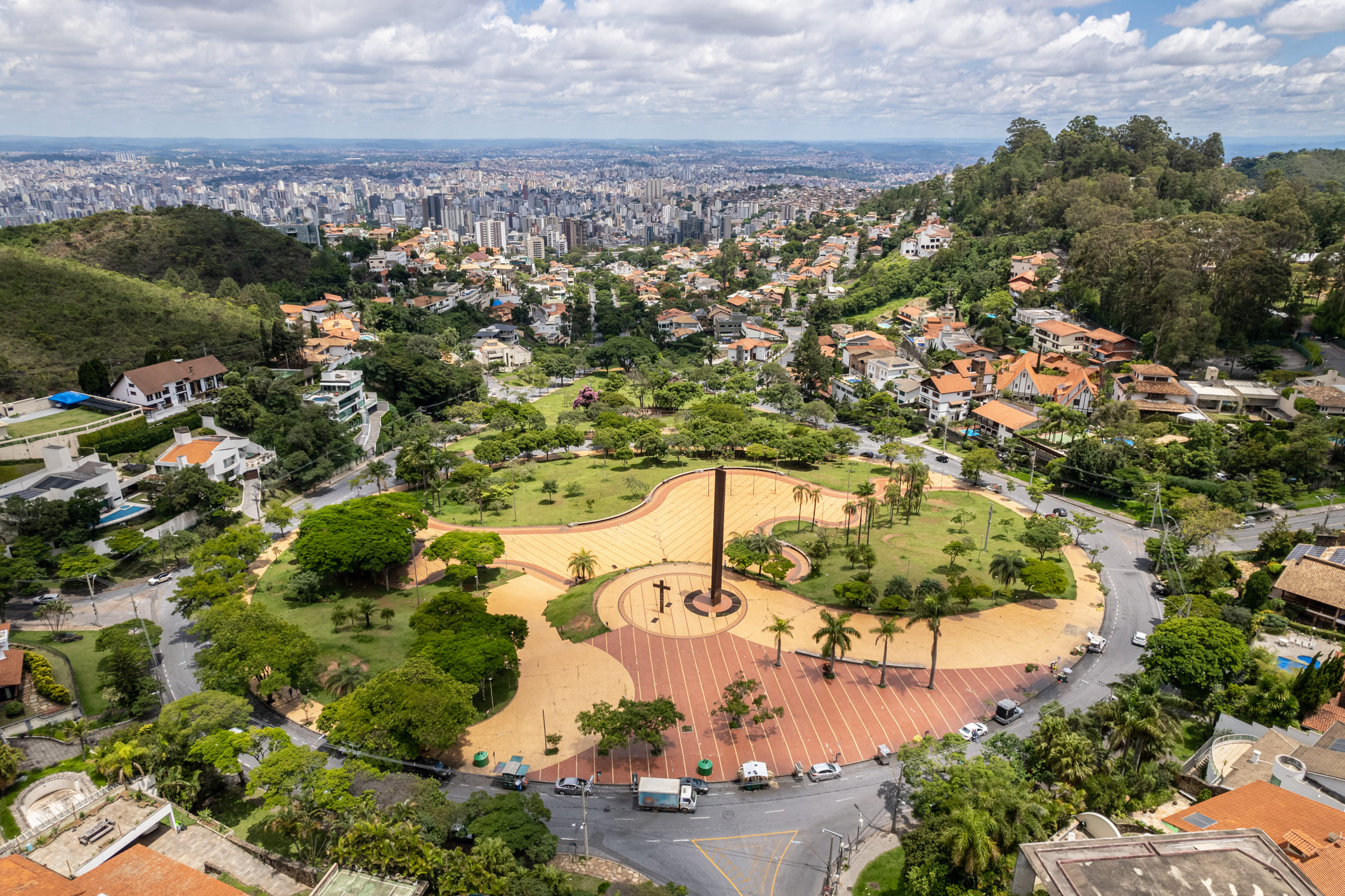
Affectionately nicknamed “Beagá” by its residents, Belo Horizonte came into the world in a modern way. It was the first Brazilian city to be planned, at the end of the 19th century.
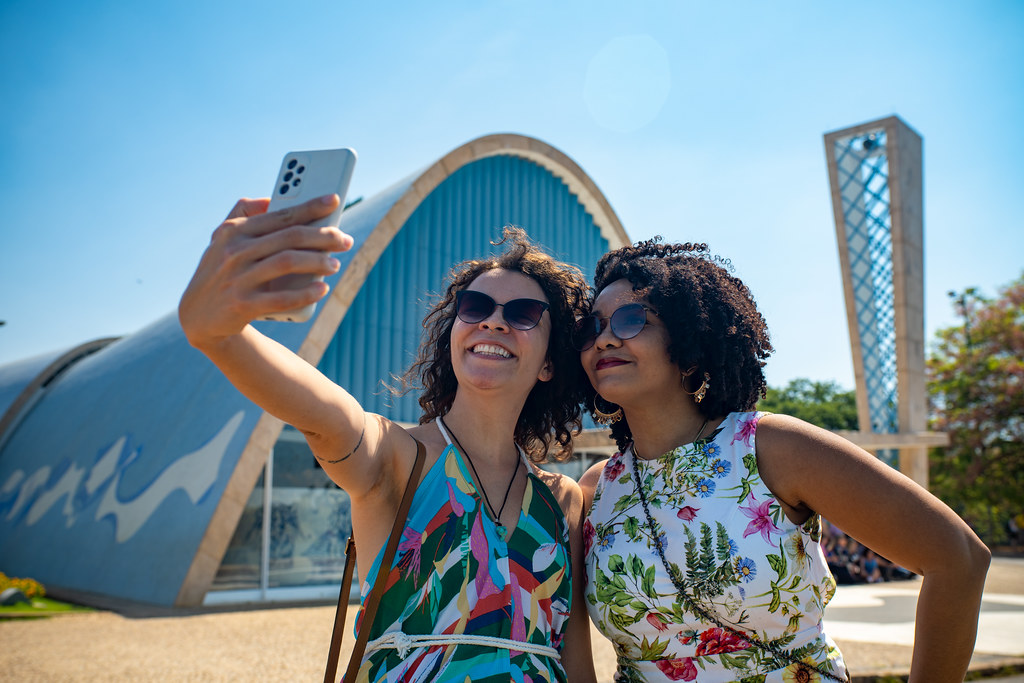
It was there that architect Oscar Niemeyer implemented one of his first creations, the Pampulha Architectural Complex, consisting of the Pampulha Church, the Iate Tênis Clube, the Casa de Baile and the Casino. In 2016, the entire complex was declared a World Heritage Site by UNESCO, reinforcing the historical relevance of the place. Belo Horizonte is also home to one of the renowned architect’s last works – the Presidente Tancredo Neves Administrative City, built in 2010.
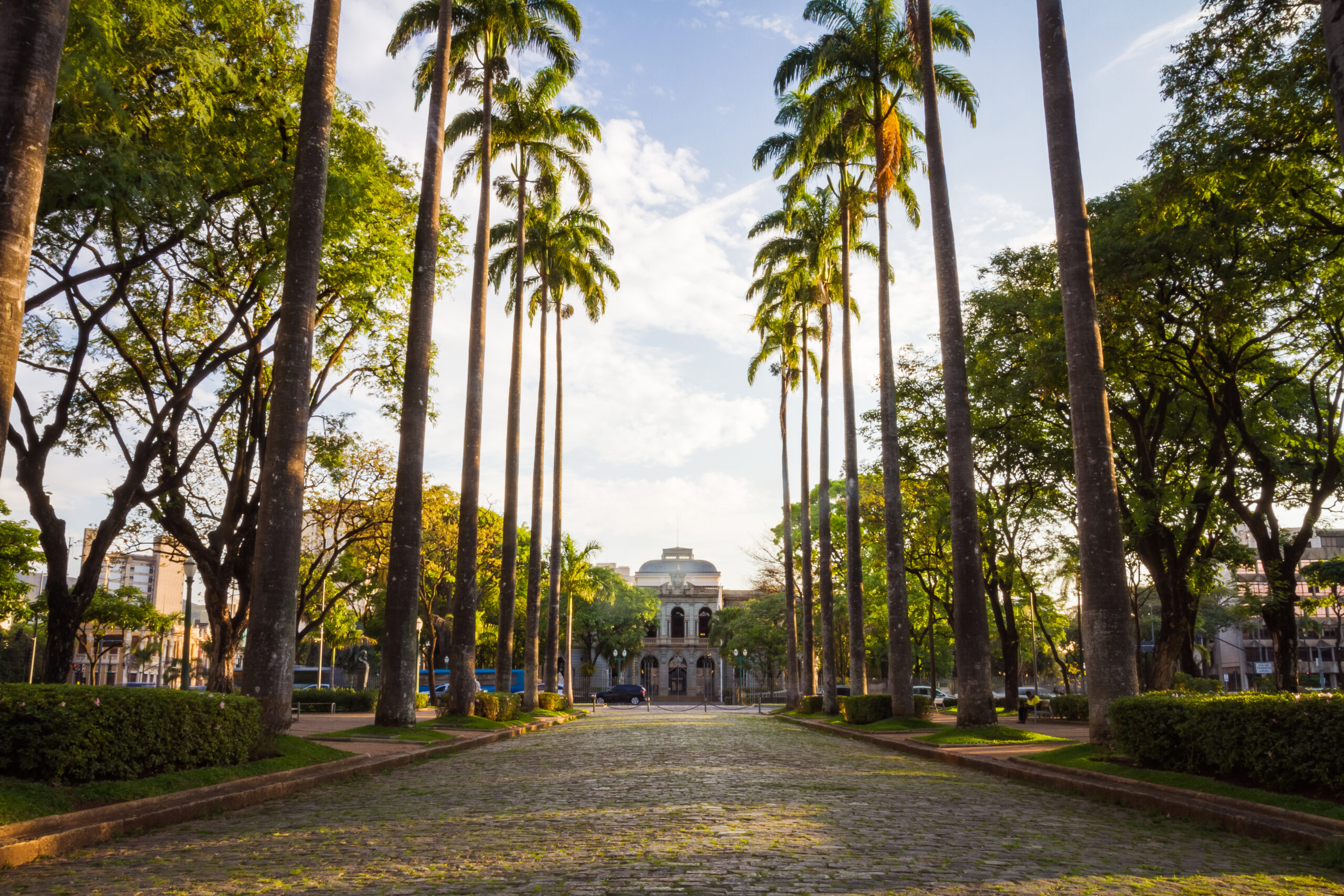
For fans of cultural programs, a great tour is the cultural circuit of Praça da Liberdade, where you can visit the Memorial Minas Gerais, Palácio da Liberdade, the Banco do Brasil Cultural Center and the Museu das Minas e do Metal.
Fun facts
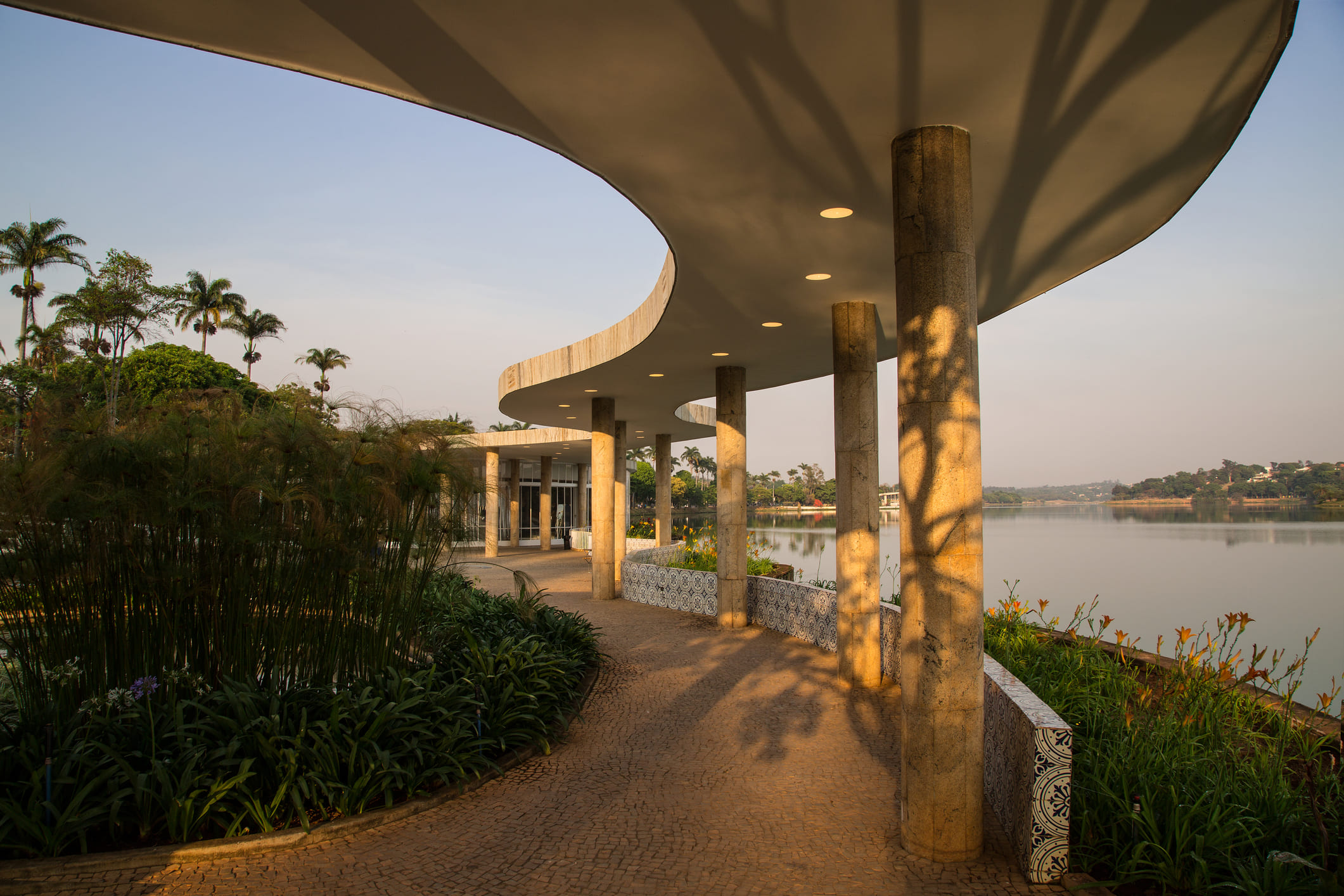
Belo Horizonte was the first planned city in Brazil, being inaugurated in 1897 to be the new capital of the state of Minas Gerais.

Belo Horizonte is known nationwide for being the “Capital of Bars”, with the highest number of such establishments per square kilometer. A great destination to try the famous cachaça from Minas Gerais!

The capital of Minas Gerais is considered a UNESCO Creative City in the gastronomy category, due to its relevance in world gastronomy and the unique flavors that can only be found in the region.
Discover the Historic Cities of Minas Gerais
Belo Horizonte is also an excellent starting point for those who want to visit nearby destinations. Nearby is Brumadinho, home to the Inhotim Institute, one of the largest open-air museums in the world, which has an impressive collection of contemporary art.
Minas Gerais, a treasure trove of history and culture, is also home to historic cities that are true jewels of Brazilian cultural heritage. On this itinerary, you will find Ouro Preto, Tiradentes, Congonhas, São João Del Rei, Mariana, Diamantina, Sabará and Serro, each offering a unique experience and rich in architectural and cultural attractions.
These cities preserve traditions that date back to the colonial period and have been recognized as World Heritage Sites by UNESCO. They keep history alive through magnificent churches, civil buildings, historic residences, traditional festivities and cultural traditions that have spanned centuries. All of this is enriched by the region’s unique geography, with its mountains and hills that are typical of Minas Gerais.
Located a short distance from the capital, Belo Horizonte, these cities allow you to immerse yourself in the riches of Baroque and Rococo, architectural styles that marked Colonial Brazil.
Ouro Preto, one of the highlights of the region, has the largest Baroque architectural complex in Brazil, with notable churches such as São Francisco de Assis and the Matriz de Nossa Senhora do Pilar. In the city, the works of Aleijadinho and a variety of museums, including the Museu da Inconfidência, enrich the cultural experience.
In Mariana, the Mina da Passagem, the largest mine open to visitors in the world, tells the story of the Gold Cycle. São João Del Rei enchants with its Baroque architecture and religiousness, while Tiradentes, with its workshops of artisans and creative artists, is an unmissable destination. The city also hosts the renowned Tiradentes Film Festival, one of the most important events in Brazil.
Congonhas is home to a museum with 342 pieces of sacred art and objects of popular religion. Finally, Diamantina, with its cobblestone streets and baroque churches, is another city recognized by UNESCO. Be sure to experience the Vesperata, a monthly event that combines music and history in the city’s charming streets.
In Minas Gerais, you don’t just visit historical sites, you become part of history. Get ready for a journey of discovery and appreciation of Brazil’s rich cultural heritage.
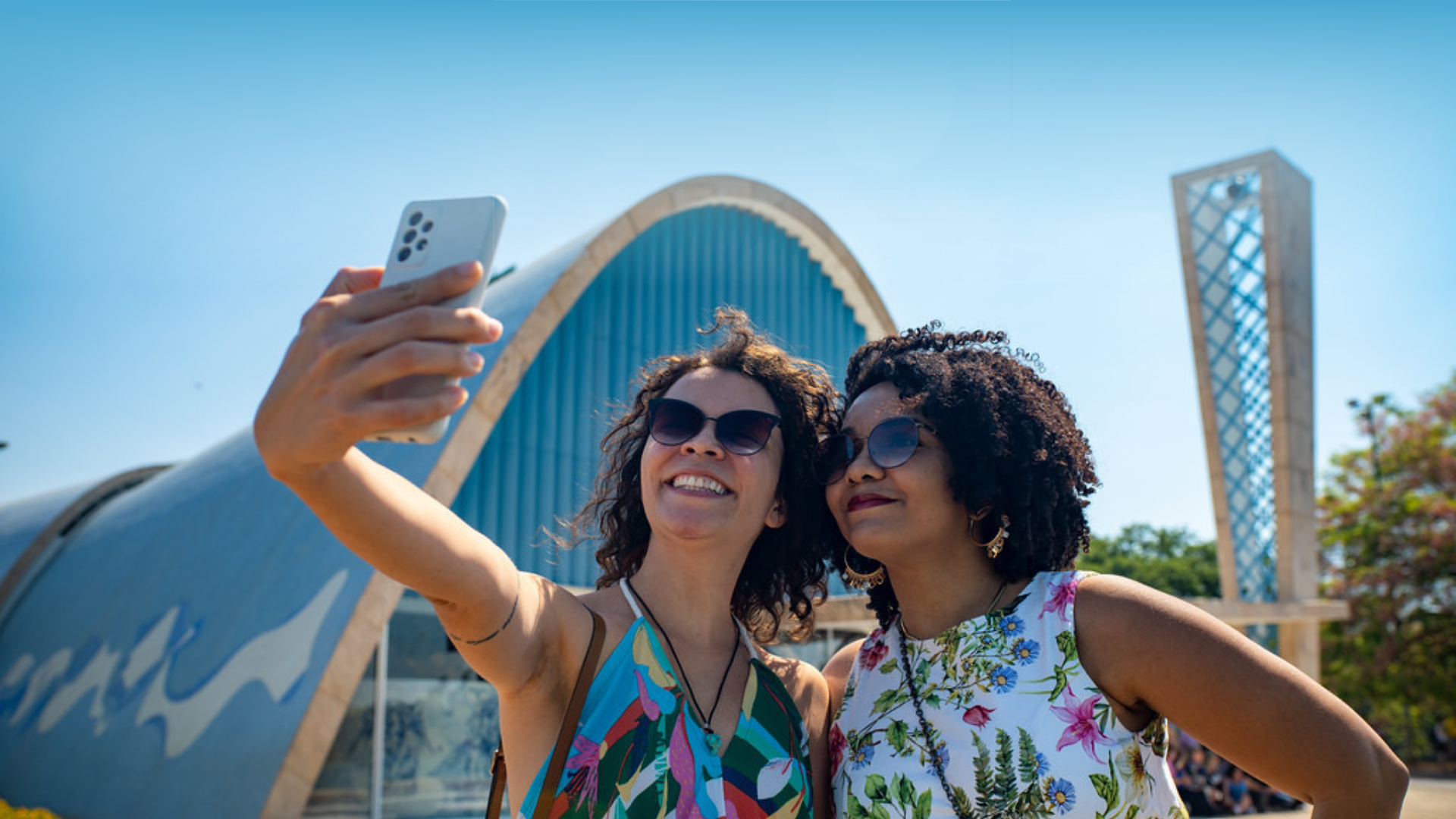
The gastronomic wealth of Belo Horizonte
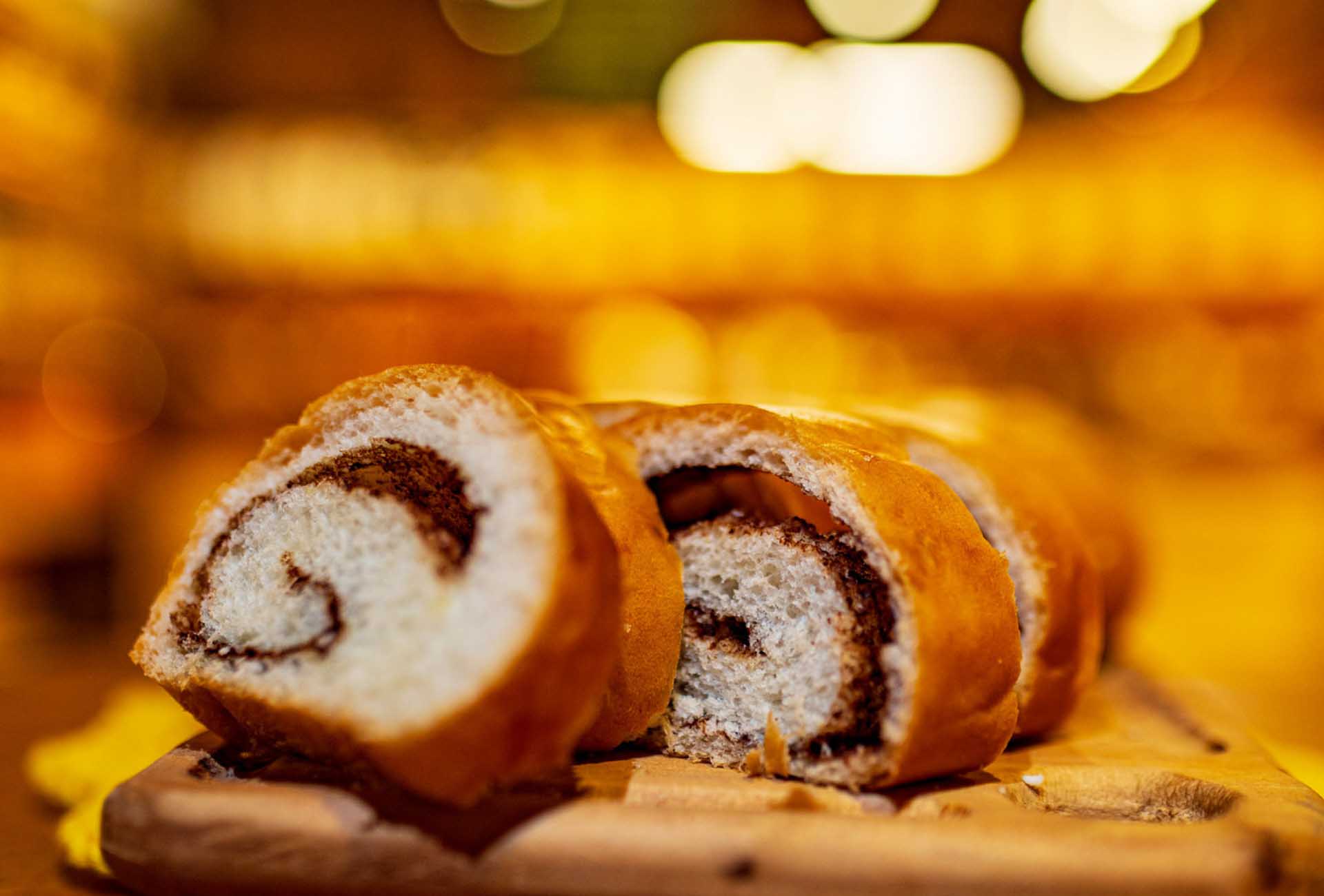
The cuisine of Minas Gerais is an attraction in itself. Try the feijão tropeiro (made with flour and sausage), torresmo (pork rinds) and cachaça (a type of cachaça) at the Mercado Central. There you will find these and other typical delicacies of the region.
And don’t forget to try the traditional Minas cheese, which has been produced by hand on farms in the region since the 18th century and was declared a Brazilian intangible cultural heritage by the National Institute of Historical and Artistic Heritage (IPHAN). To learn more about the production of typical cheeses, visit the Centro de Referência do Queijo Artesanal (Artisanal Cheese Reference Center), a space dedicated to promoting Minas Gerais cuisine, its knowledge and flavors.
Photo gallery