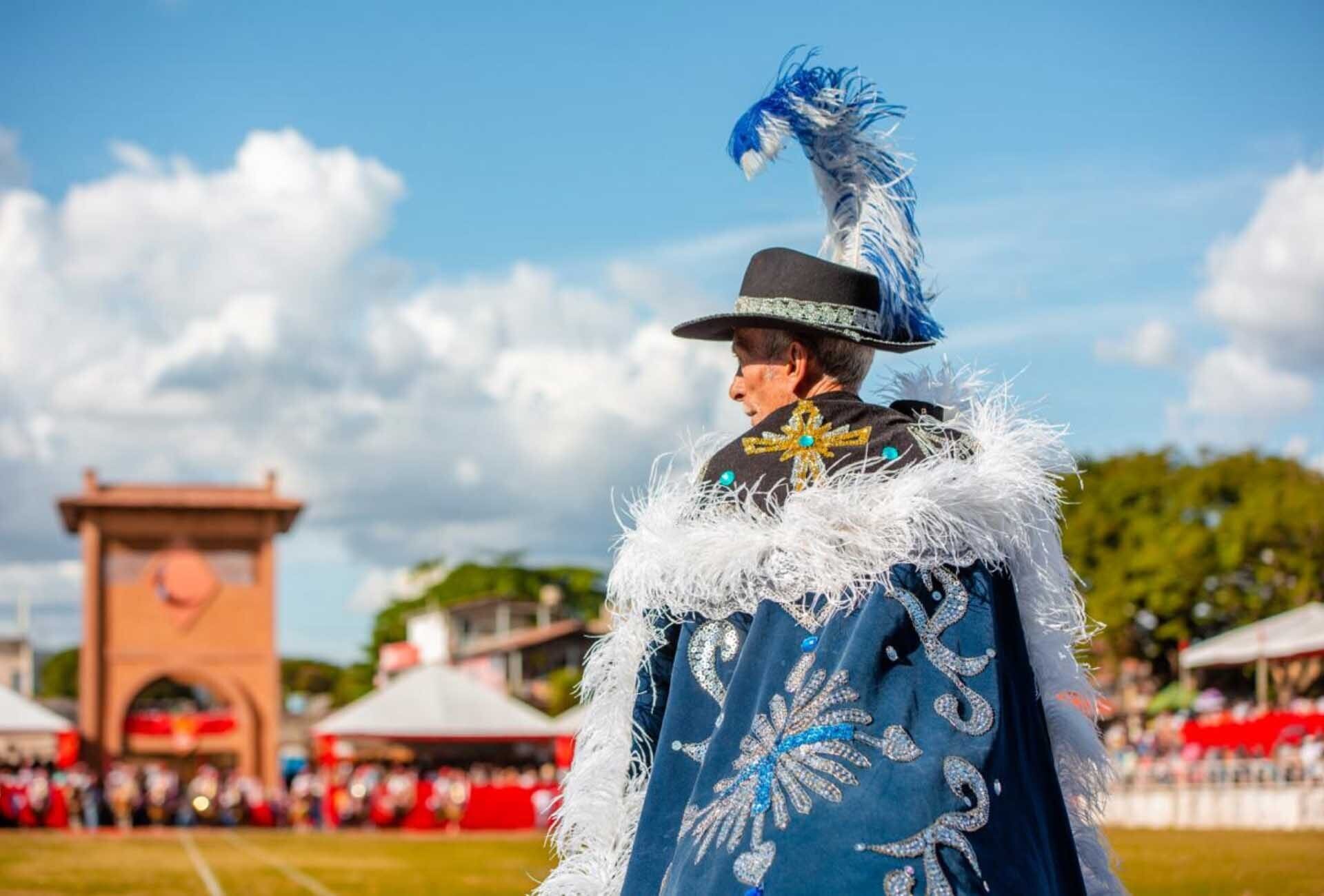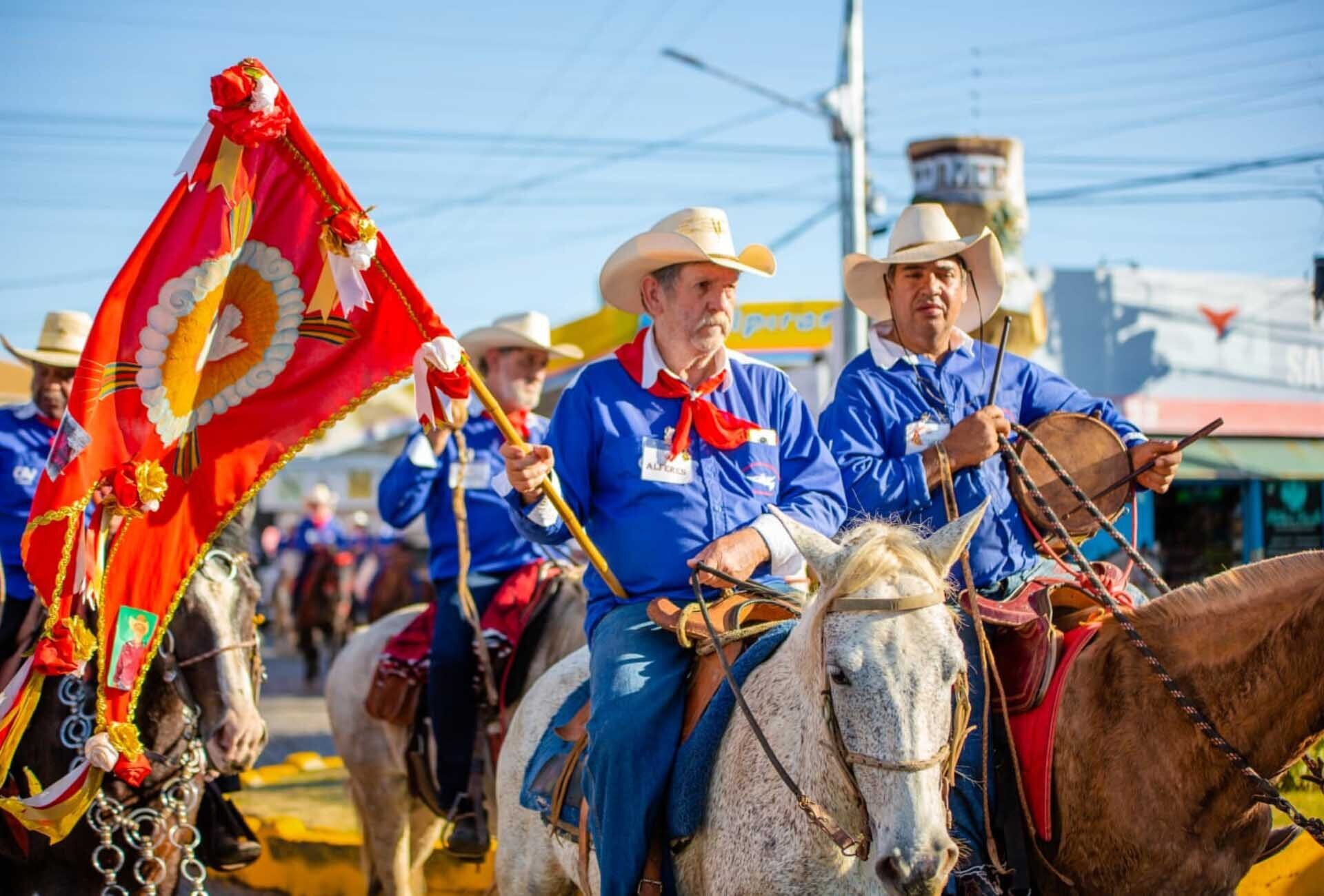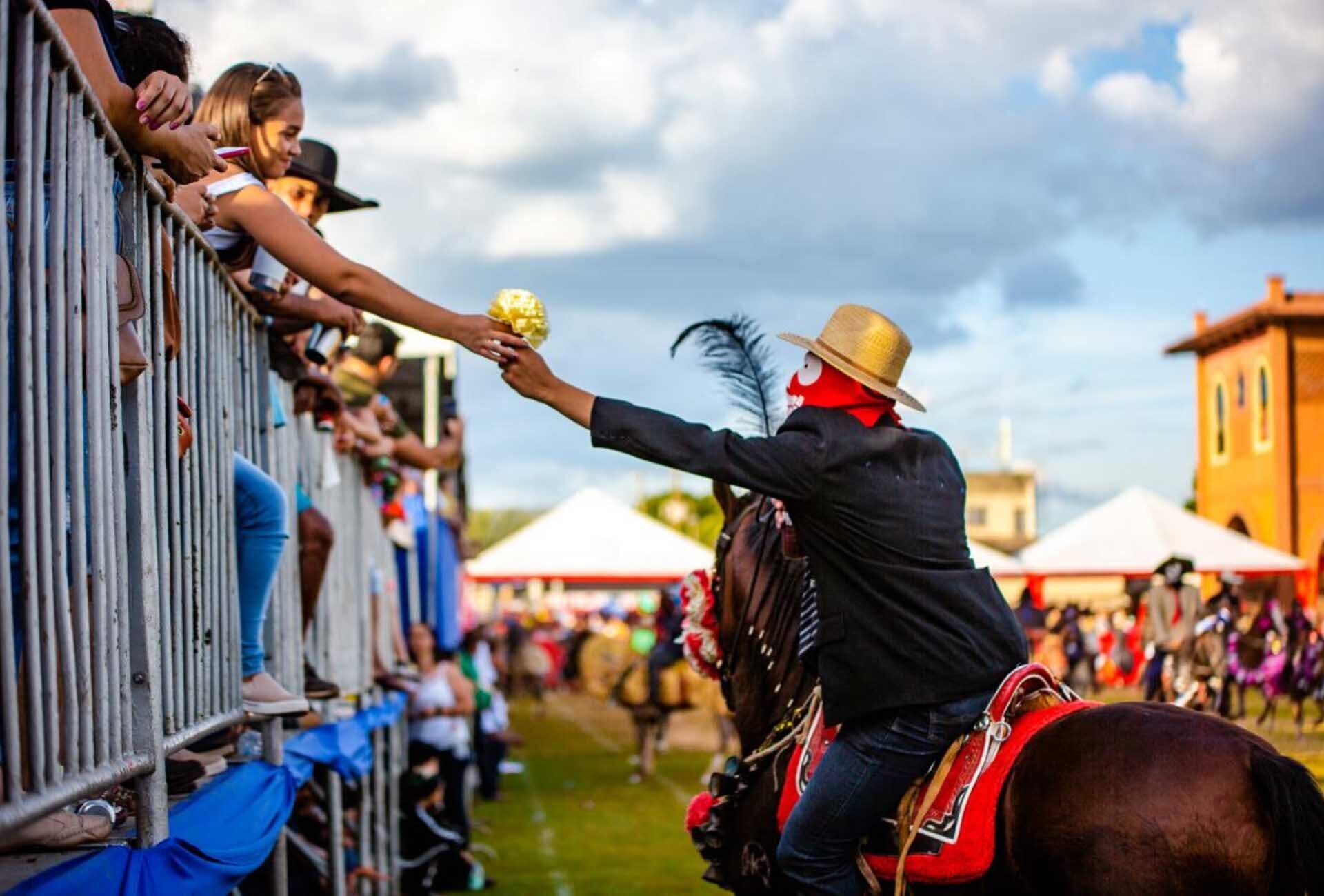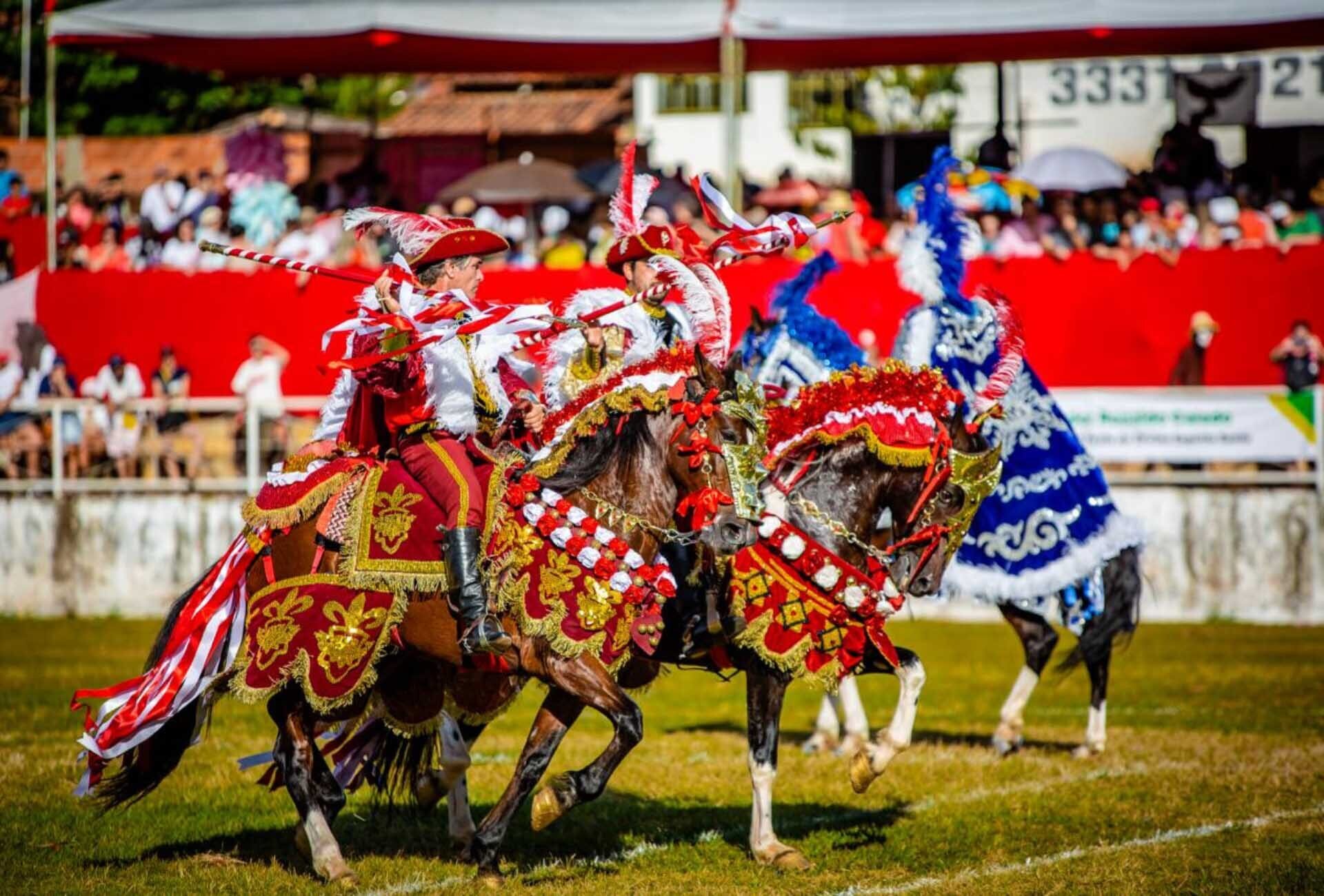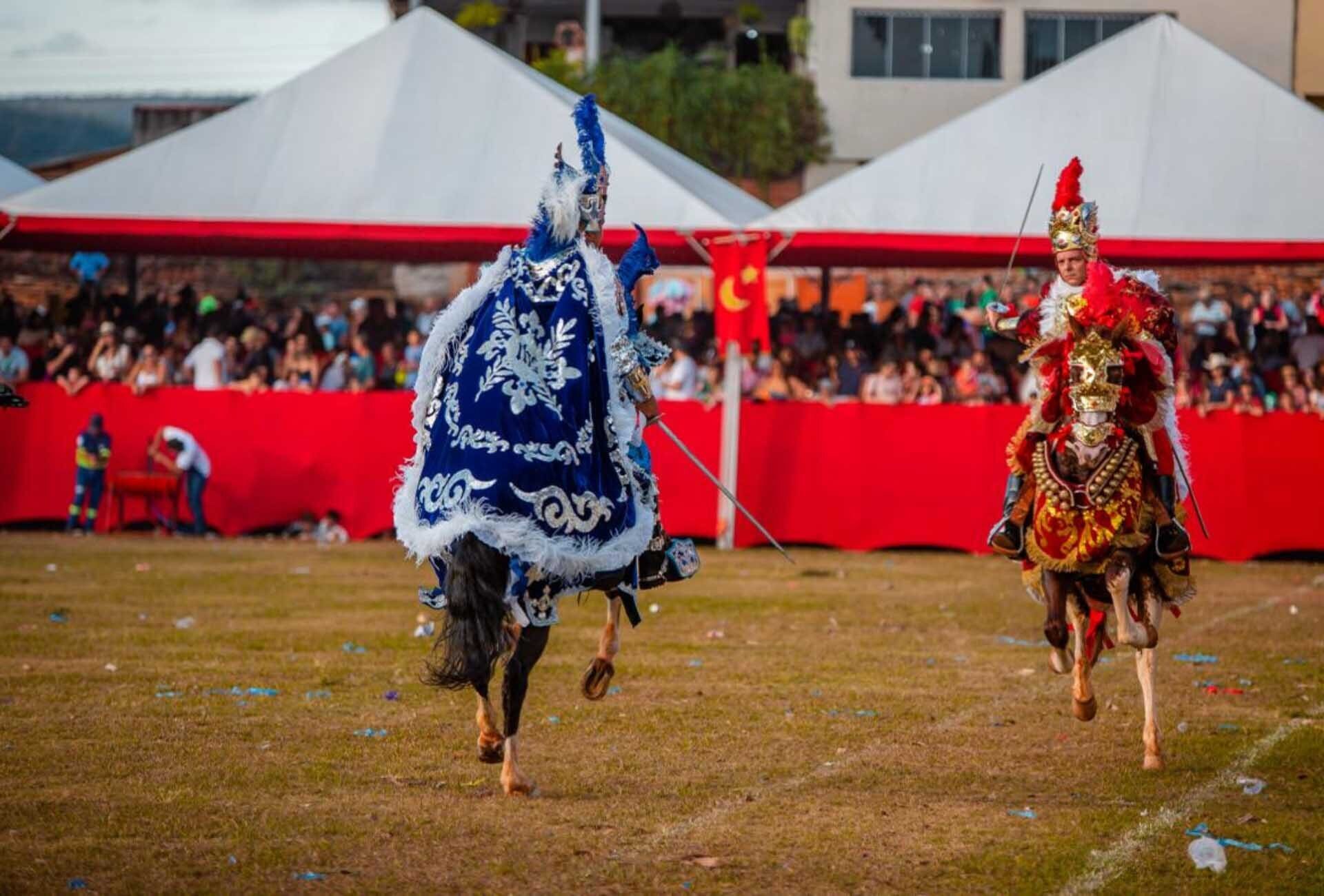
Welcome to the Festa do Divino Espírito Santo, one of the most popular cultural and religious events in Brazil. Amid ancestral rituals and religiosity, this celebration unites believers and tourists on a journey of devotion and tradition.
As part of the Catholic tradition, this festival has as its narrative the belief that Jesus Christ revealed the Holy Spirit, one of the three persons of the Trinity, who, according to belief, descended from heaven onto the Apostles and the Virgin Mary fifty days after Easter. . This popular festival originated from the promise that Queen Isabel, of Portugal, made to Espírito Santo asking for peace to reign in her country. In the first celebrations, pilgrims carried a copy of the empire’s crown, whose main symbol was the dove. The faith of the Portuguese was widely spread to several Brazilian cities in the colonial period and took deep root in several regions, each incorporating its unique characteristics. It is an event that transcends the religious, involving music, dance, gastronomy and symbolic acts that reflect Brazilian cultural diversity.
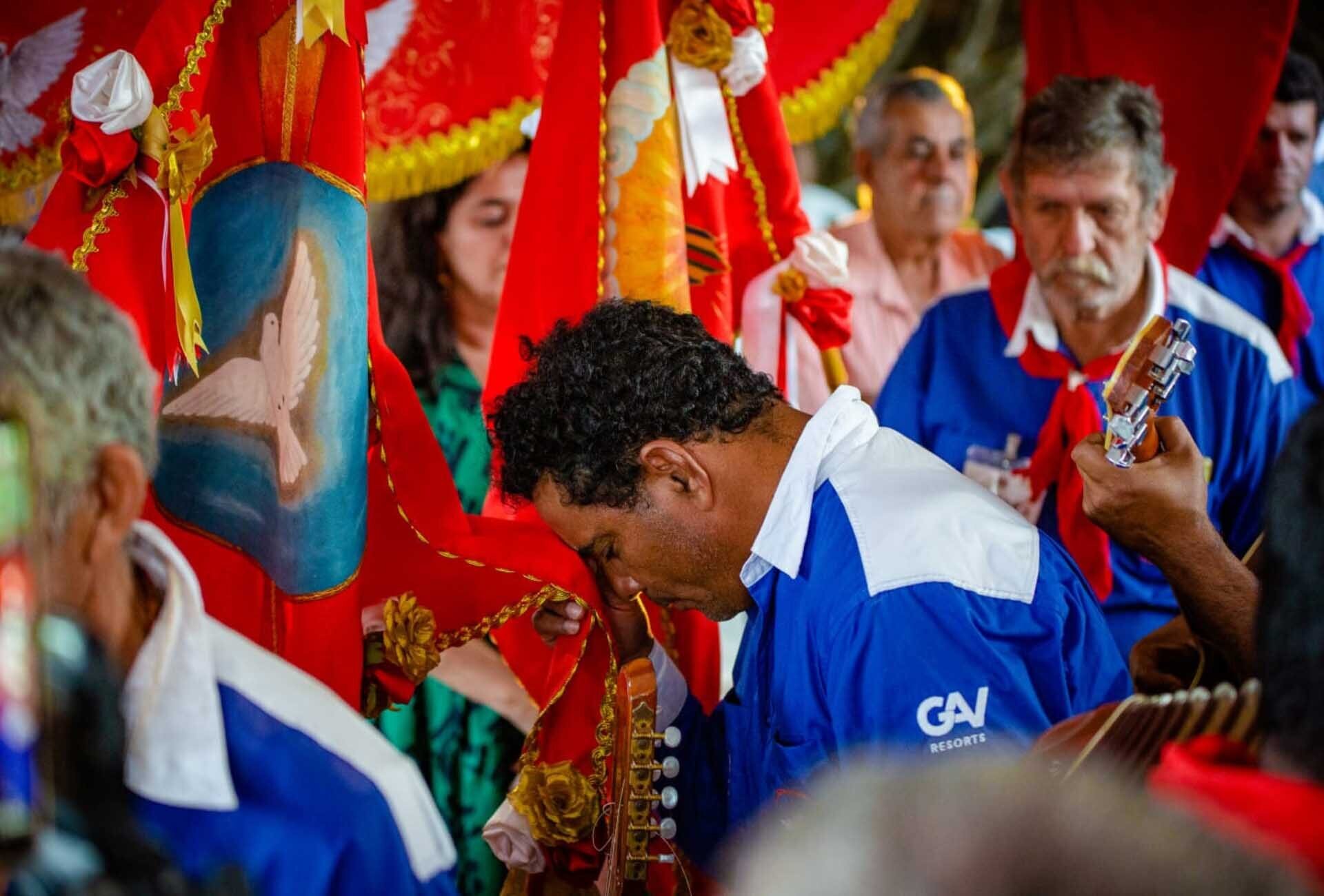
The symbolism of this festival is very diverse, and the maximum symbols are the insignia of the Holy Spirit (crown, scepter and sage), which symbolize the party’s responsibility and commitment to worship; the dove, which represents the Holy Spirit himself, peace, love and humility; the flag of the Divine, which is the symbol that starts the festivities. After Lent, the red flag with the dove design visits the community’s homes and the faithful kiss its fabric as a way of demonstrating their faith.