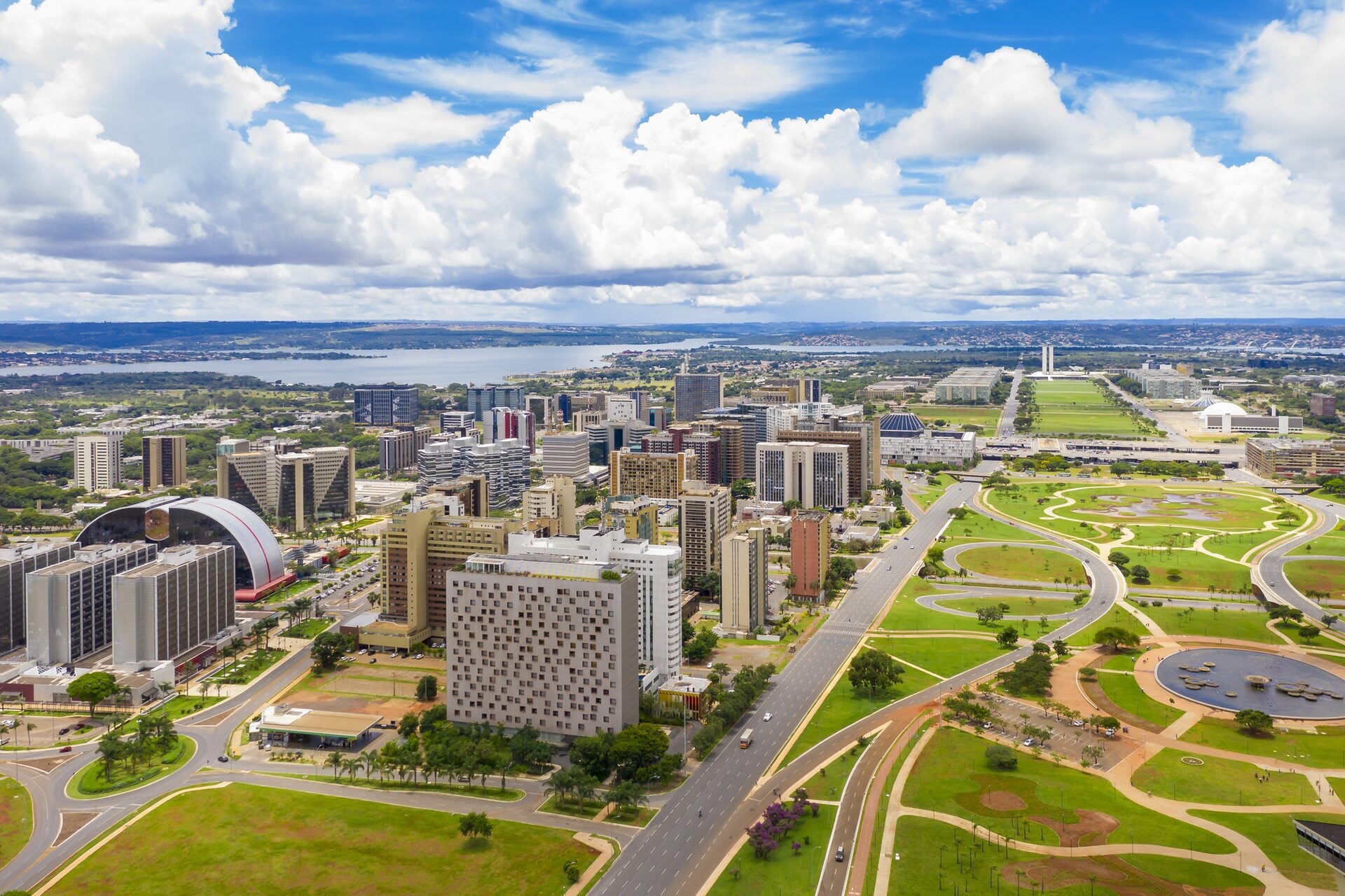
Brasília: a planned and innovative city
The third capital of Brazil, after Salvador and Rio de Janeiro, Brasília was inaugurated in 1960 by then president Juscelino Kubitschek. The new capital was an audacious project, designed by architect Oscar Niemeyer, which gave the city the status of a symbol of urban planning and modern architecture in the 20th century. The idea of building a new capital was to populate the center of Brazil and also to keep the center of power in Brazil away from maritime routes.
Fun facts
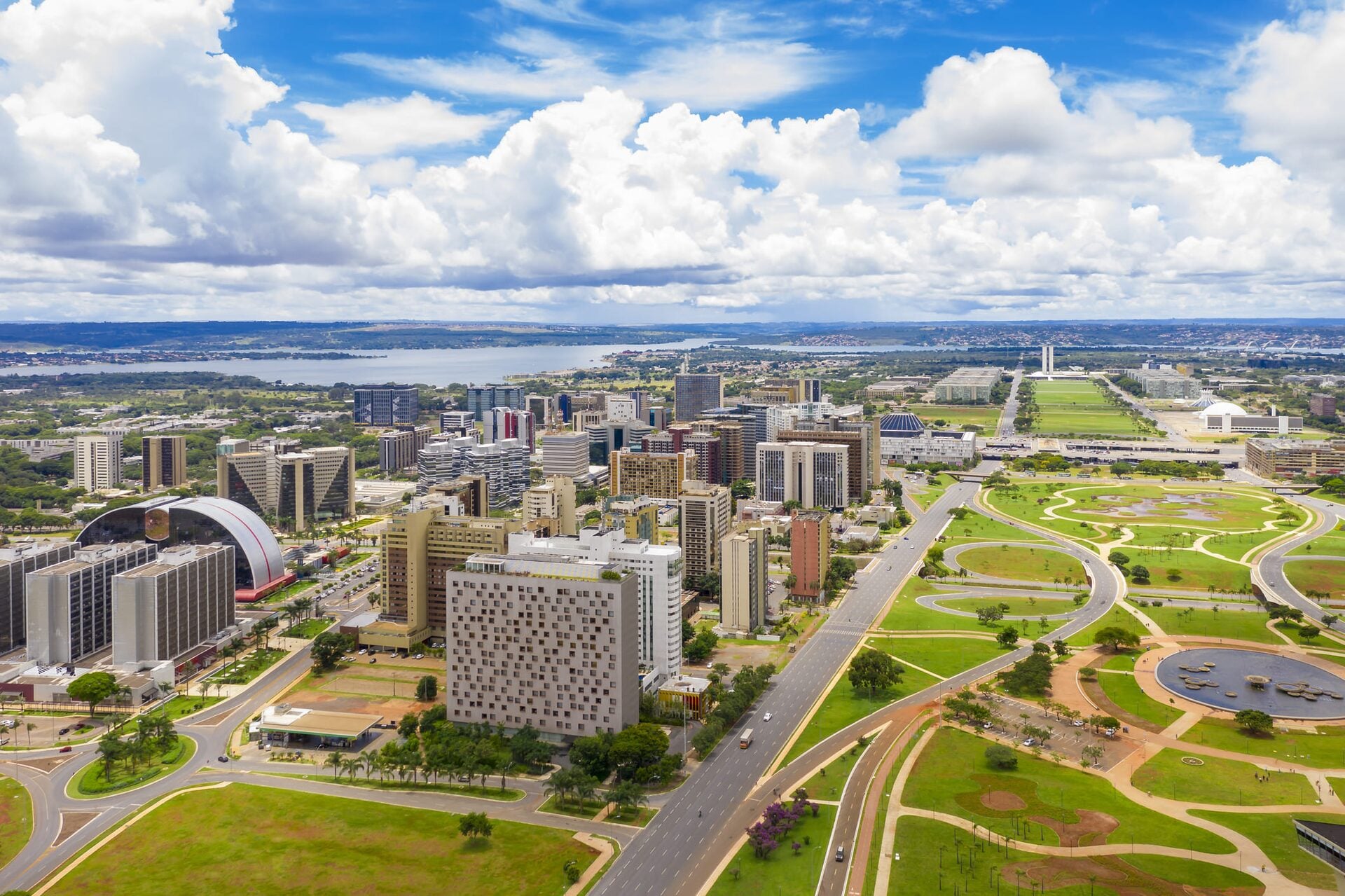
Brasília was built in record time, taking only 41 months to be erected and inaugurated in 1960.
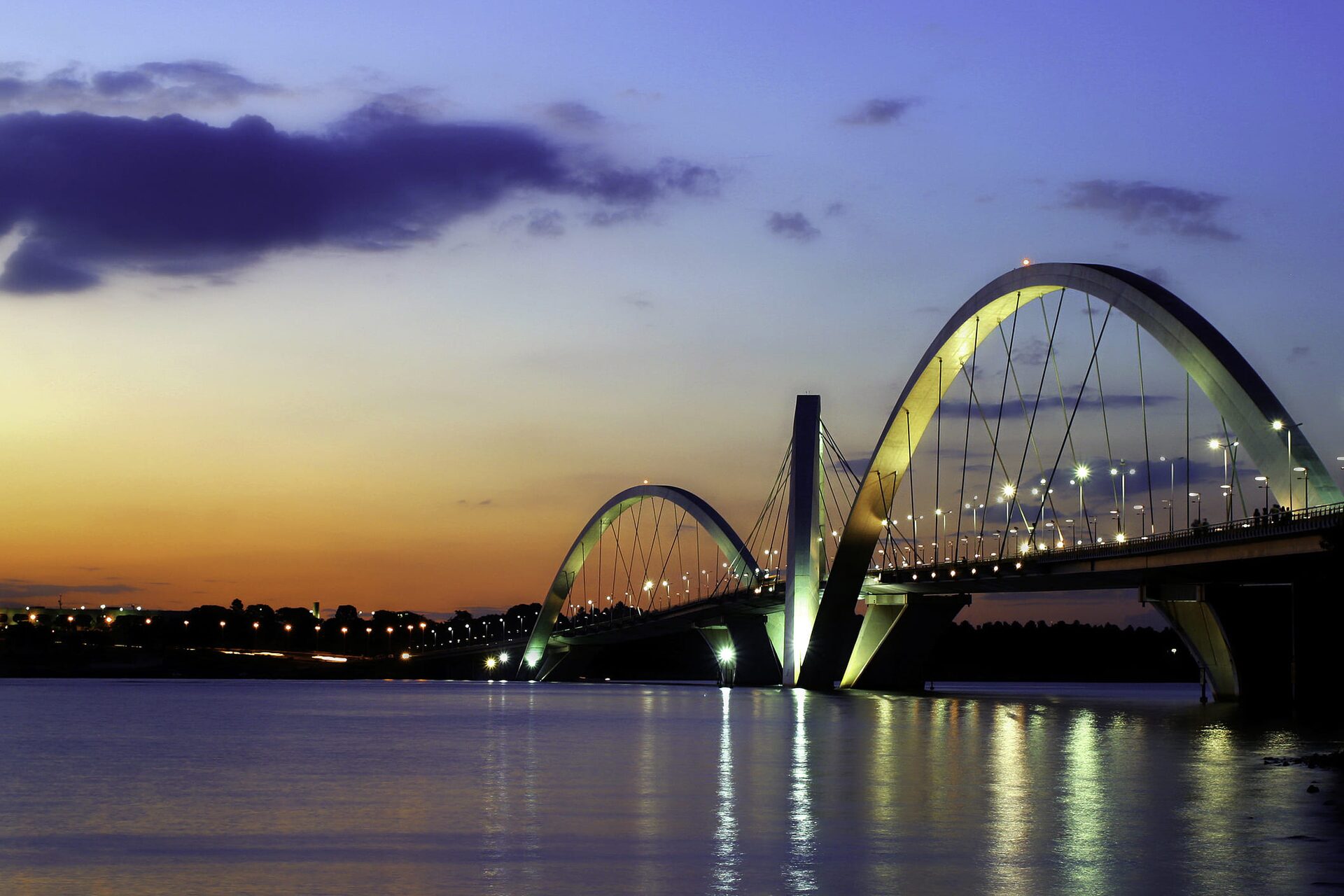
To design the Juscelino Kubitschek Bridge, architect Alexandre Chan was inspired by the movement of a stone bouncing on the water.
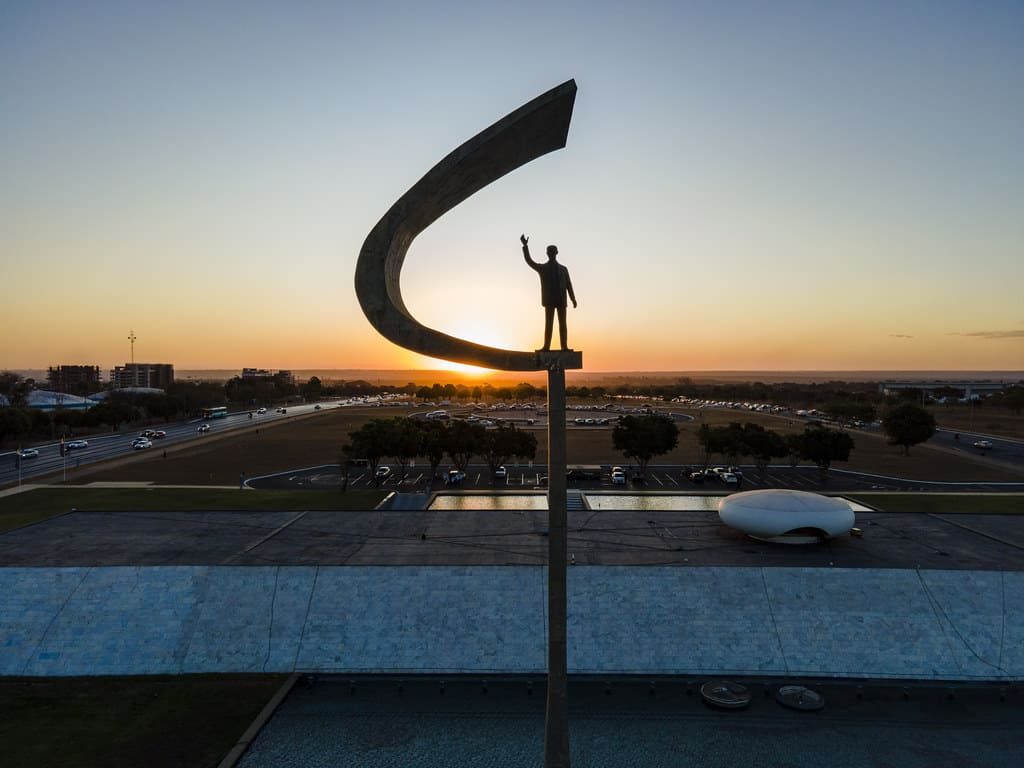
Brasília was the first city built in the 20th century to receive the title of UNESCO World Heritage Site.
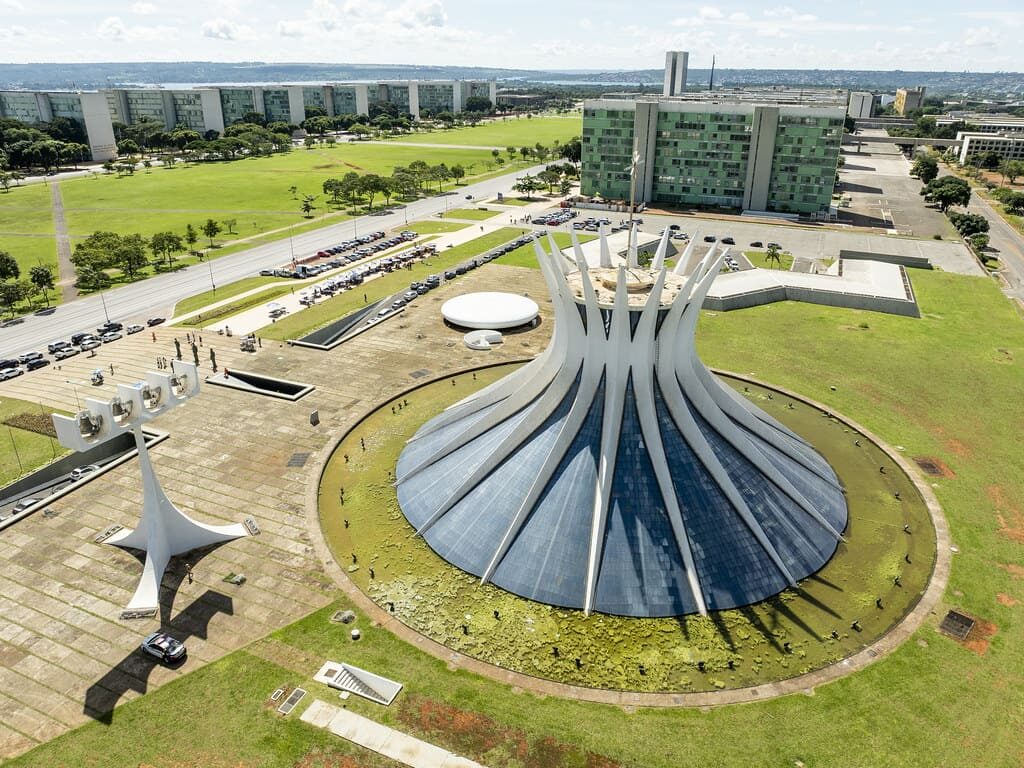
Brasília is part of the UNESCO Creative Cities Network in the Design category, due to its historical role in architecture and its active role in promoting creativity and art.
Innovative architecture and urban planning
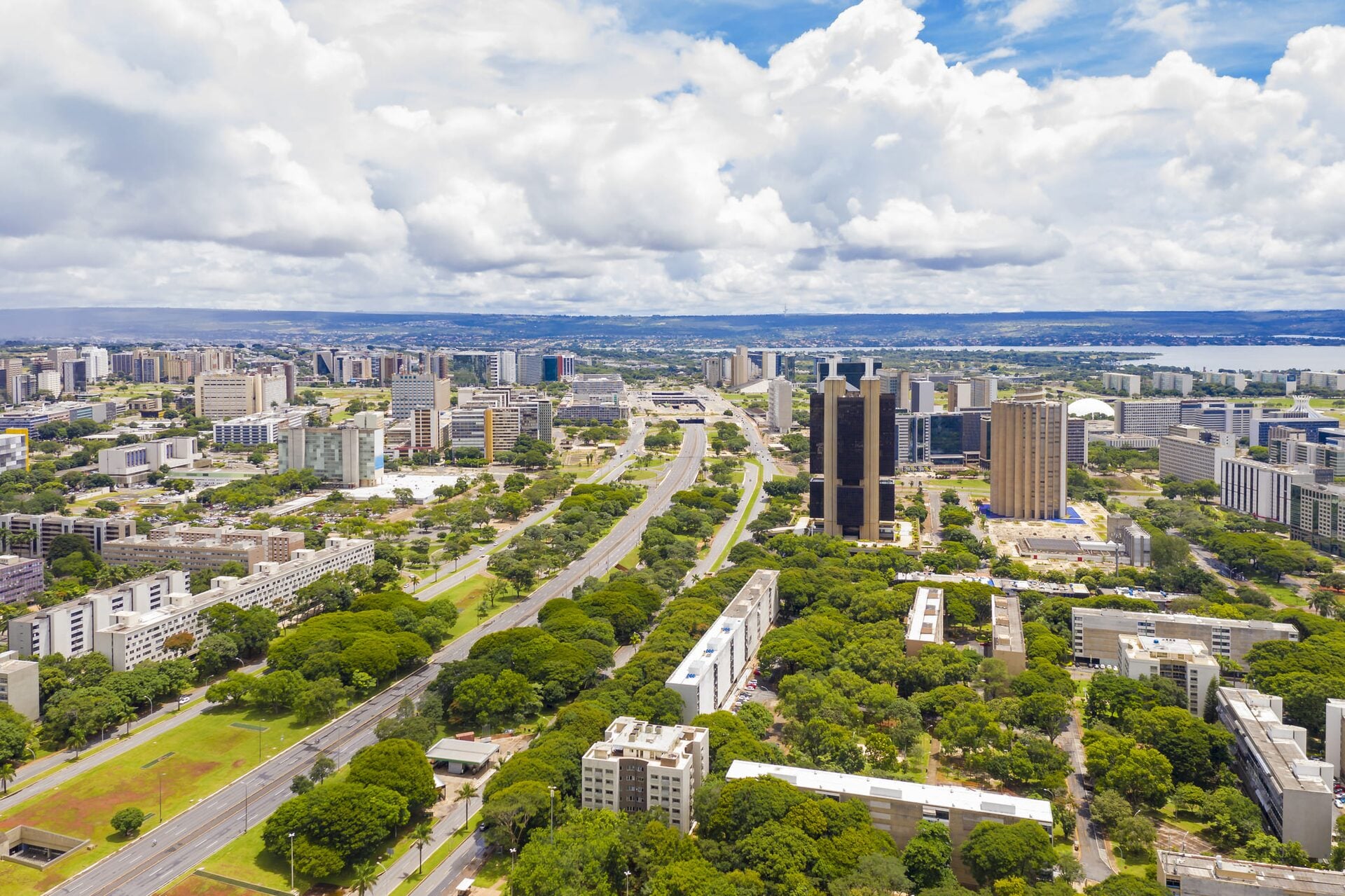
Brasília was born from the Plano Piloto, a project by Lúcio Costa that gave the city a shape that resembled an airplane. Considered a milestone in the history of urban planning, the idea of the project's creators was that each element that makes up the city would be in harmony with each other. For this reason, the Brazilian capital is considered a world heritage site by UNESCO and the city with the largest protected area in the world.
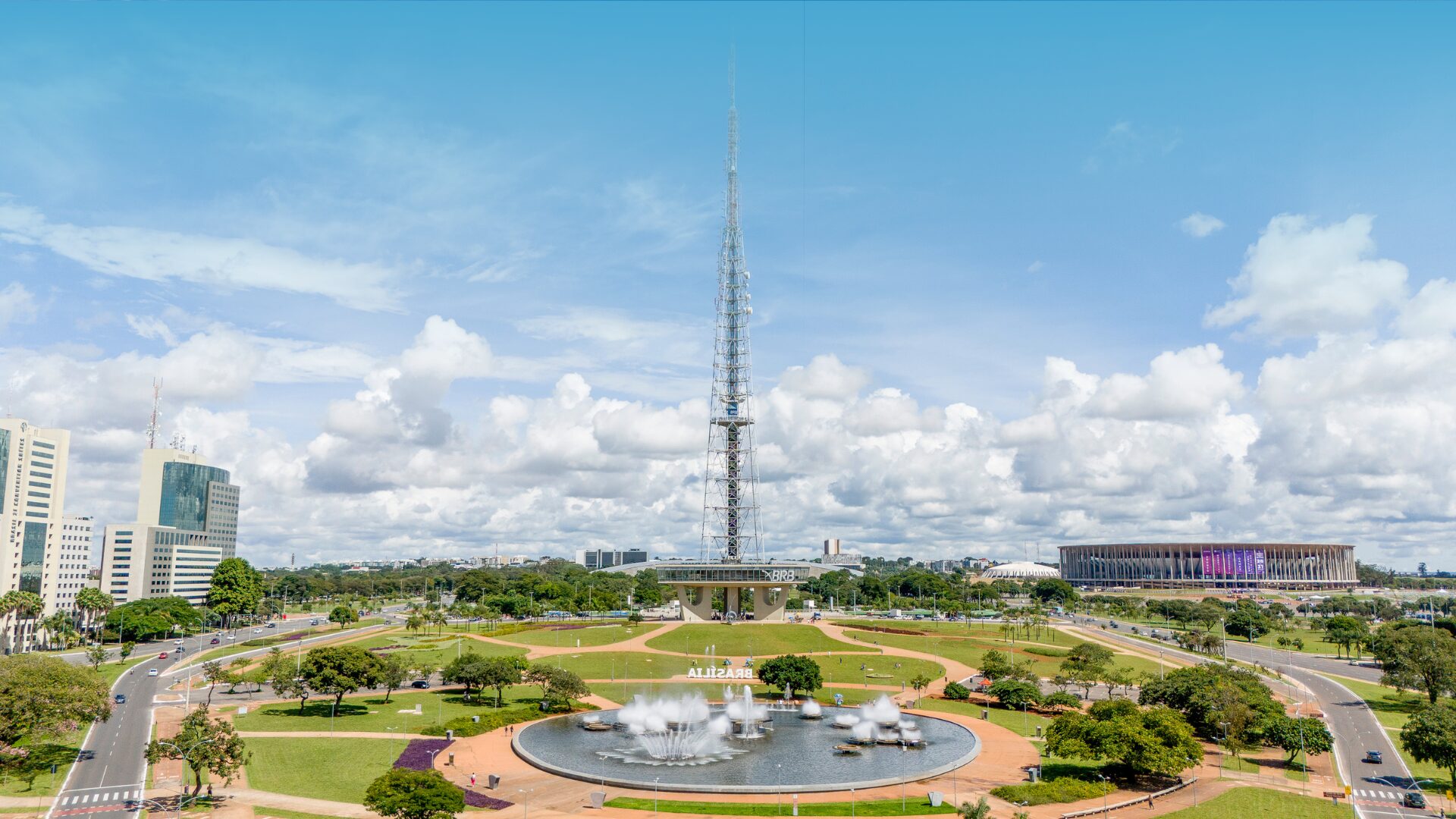
The Plano Piloto is formed by the meeting of two axes, the Eixo Monumental and the Eixo Rodoviário, embraced by Lake Paranoá. The Monumental Axis is home to many attractions: the Praça dos Três Poderes, the Palácio do Planalto, the National Congress, the Metropolitan Cathedral of Brasília and the TV Tower. Along the Highway Axis, divided between North and South, are residential blocks.
A large and green city
The Dona Sarah Kubitschek City Park, better known as Parque da Cidade, is one of the main outdoor leisure centers in the capital. With approximately 420 hectares, it is one of the largest urban parks in the world and is home to sports courts, amusement parks, an artificial lake, barbecue areas, an equestrian center and walking trails. It is the perfect place for outdoor walks or a picnic with friends.
Lake Paranoá, whose shoreline offers excellent restaurants and bars, attracts water sports enthusiasts on weekends, such as Stand Up Paddle (SUP), canoeing and kitesurfing. It is worth stopping to admire the Juscelino Kubitschek Bridge. The sunset seen from the bridge is a spectacle in itself.
The Brasília Botanical Garden is a must-see for those who love to feel close to nature. The 500 hectares available for visitors have several marked trails for walking and cycling, themed gardens, orchid collections and much more. A tip is to choose a day to enjoy a nice breakfast there and then go for a walk, getting to know the Garden and its attractions.
Brasília is a Brazilian city that was thought out and planned. With an architectural design in the shape of an airplane, it stands out from everything you have ever seen.
A Unique Experience in the Heart of the Cerrado
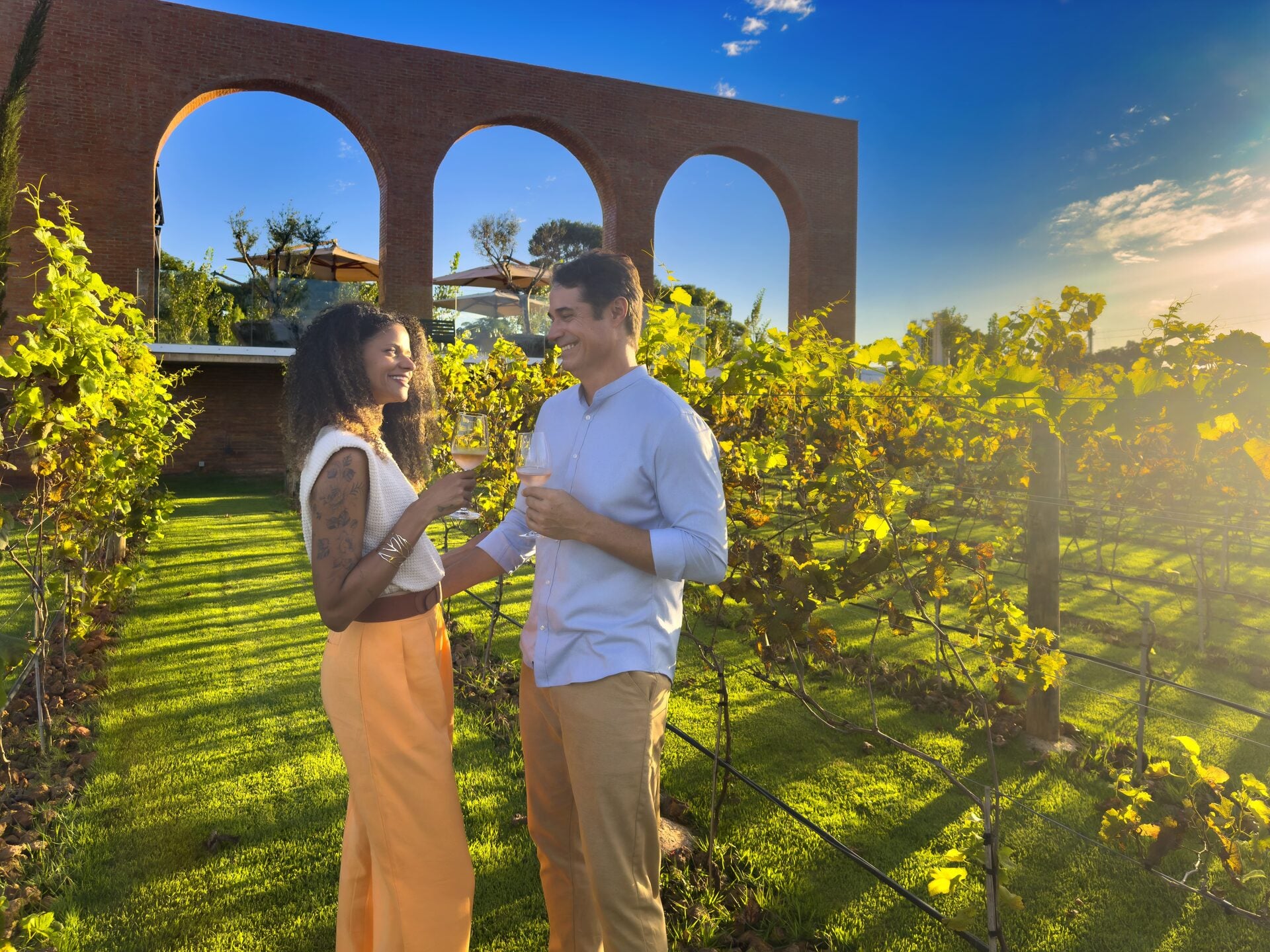
Vinícola Brasília offers an unforgettable guided tour for those looking to explore wine tourism in Brazil’s capital. Set against the stunning backdrop of the Cerrado and inspired by Brasília’s modern architecture, the experience showcases exclusive local wines. The tour includes a walk through the vineyards, insights into Syrah grape cultivation and the winemaking process, and a tasting of four carefully selected labels paired with breads, cheeses, and olive oils. A true sensory journey in one of Brazil’s most surprising destinations.
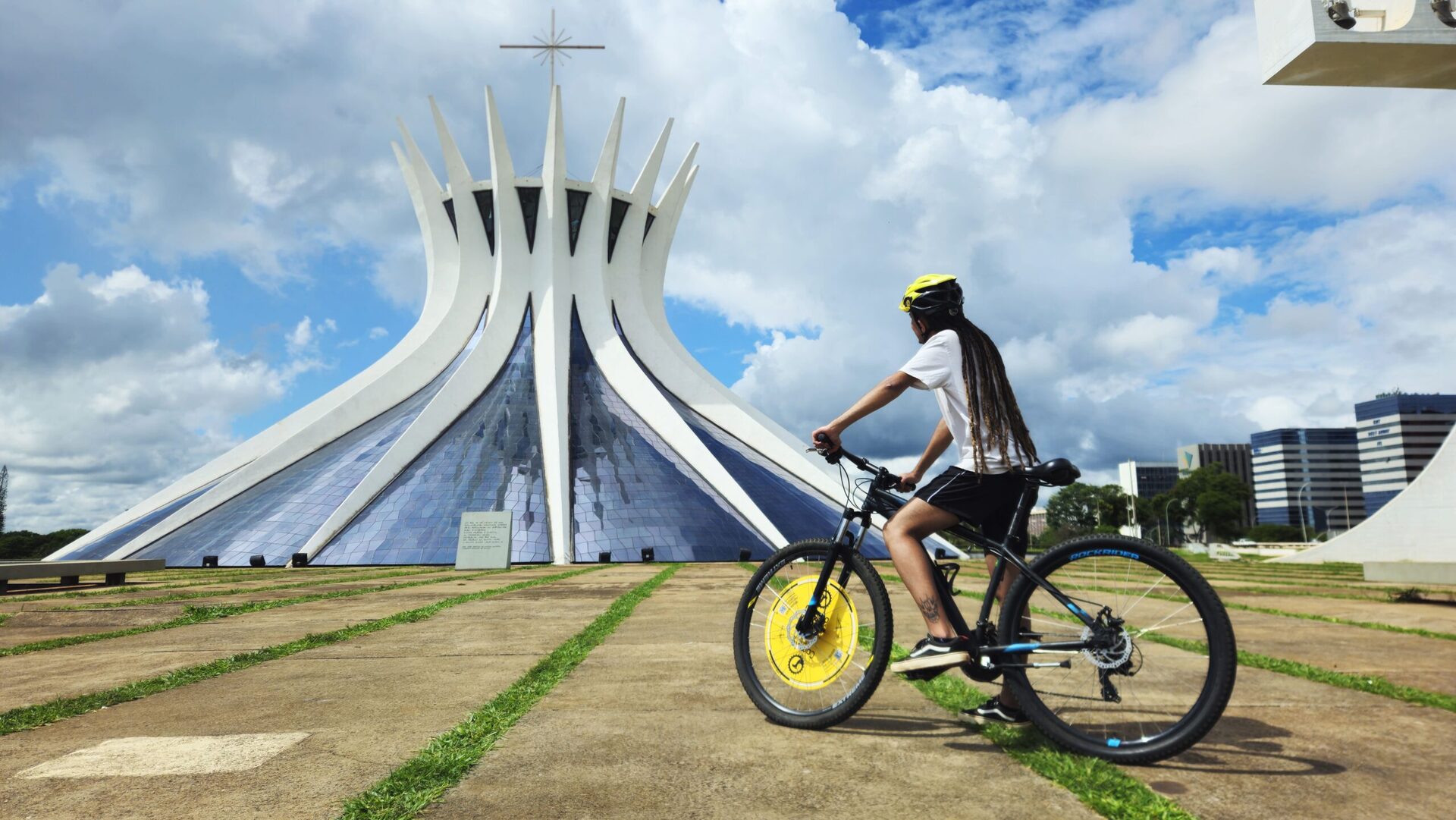
Discover Brasília by Bike
Another unforgettable experience in Brazil’s modernist capital is a guided bike tour through the city’s most iconic landmarks. Ride along safe bike lanes and tree-lined parks as you discover architectural masterpieces by Oscar Niemeyer and colorful tile panels by artist Athos Bulcão. Along the way, enjoy panoramic views, cultural stops, and hidden gems that reveal the rich history and creative spirit of this UNESCO World Heritage City. It’s an active and unique way to experience the soul of Brasília.