Cuiabá: the cultural heart in the center of the Pantanal
The capital of the state of Mato Grosso is known for its colonial architecture and also for its wooded areas. In addition, the city is the gateway to some of the main tourist destinations in the country: the Northern Pantanal and Chapada dos Guimarães.
Cuiabá, in the heart of Brazil, is emerging as a point of convergence between the rich biodiversity of the Pantanal and the vibrant culture of the Central-West. Known as the gateway to the Pantanal, this city charms with its welcoming atmosphere, marked by the hospitality of its people.
It is a place where traditions mix with modernity, where the rivers that cut through the landscape give life to a unique culture, reflected in the typical cuisine, popular festivals and artistic expressions that resonate throughout the city. Cuiabá offers a unique journey through the natural and cultural riches of Brazil, inviting everyone to explore its beauty and be enchanted by its authenticity.
Fun facts
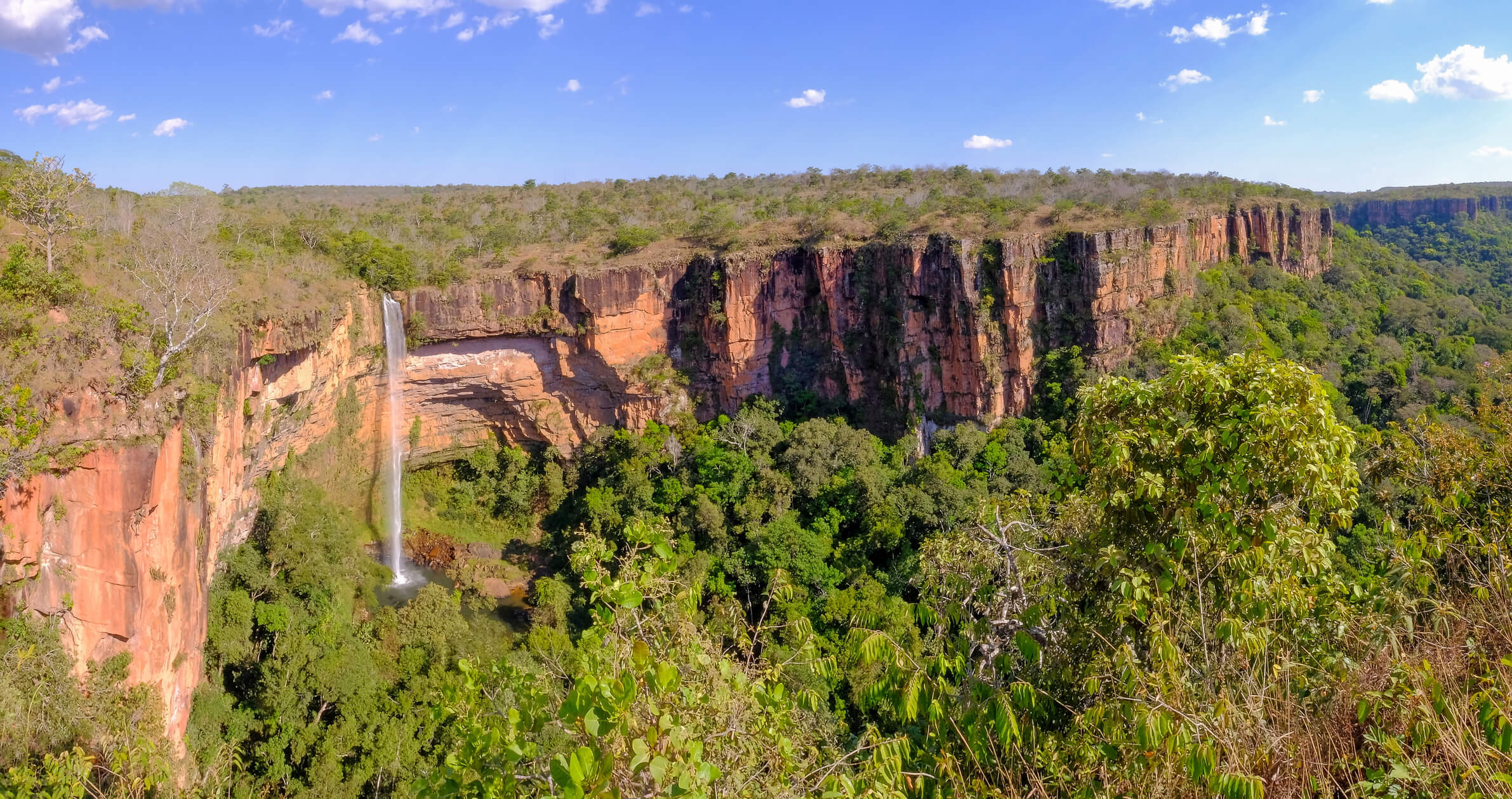
From Cuiabá, it is possible to visit one of the highest waterfalls in Brazil. The Jatobá Waterfall, located in the Serra Ricardo Franco State Park, has a free fall of approximately 260 m and can be accessed via a trail of approximately 10 km.

According to researchers, the name “Cuiabá” derives from the name of an ancient indigenous tribe that inhabited the region. Other scholars believe that the term originated in the Guarani language and means something like “shining otter”.
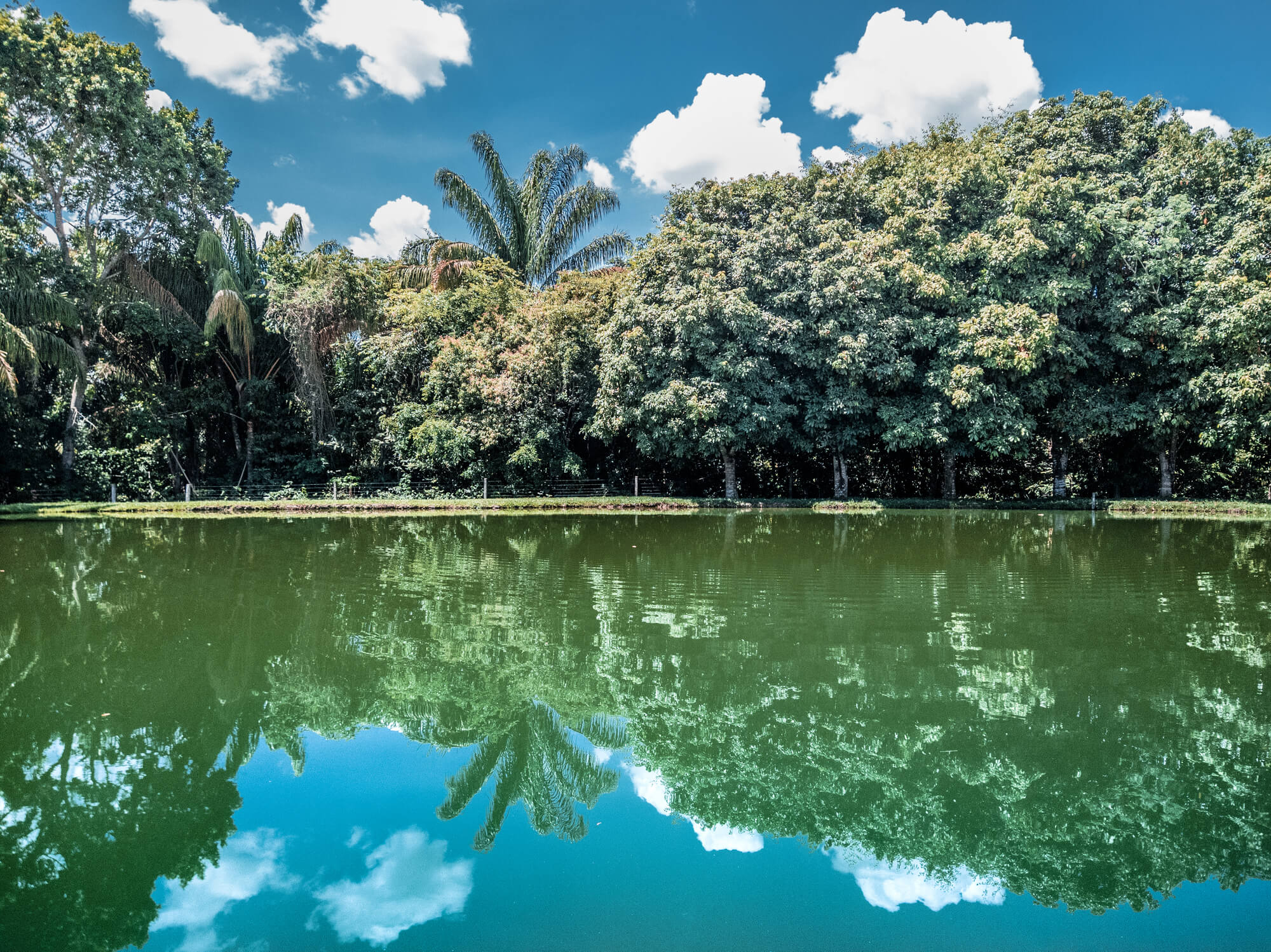
Cuiabá is also home to 4 important Brazilian rivers - Paraguay, Xingu, Cuiabá and Araguaia. That is why the nature of the region is so impressive and enchanting!
Historic Center of Cuiabá
The city has many attractions, such as centuries-old churches, art galleries, museums, parks, squares and monuments, as well as a rich and diverse gastronomy.
For those who love buildings and houses that preserve their old architecture, a must-see is the Historic Center of Cuiabá, which is listed by the National Institute of Historic and Artistic Heritage – Iphan.
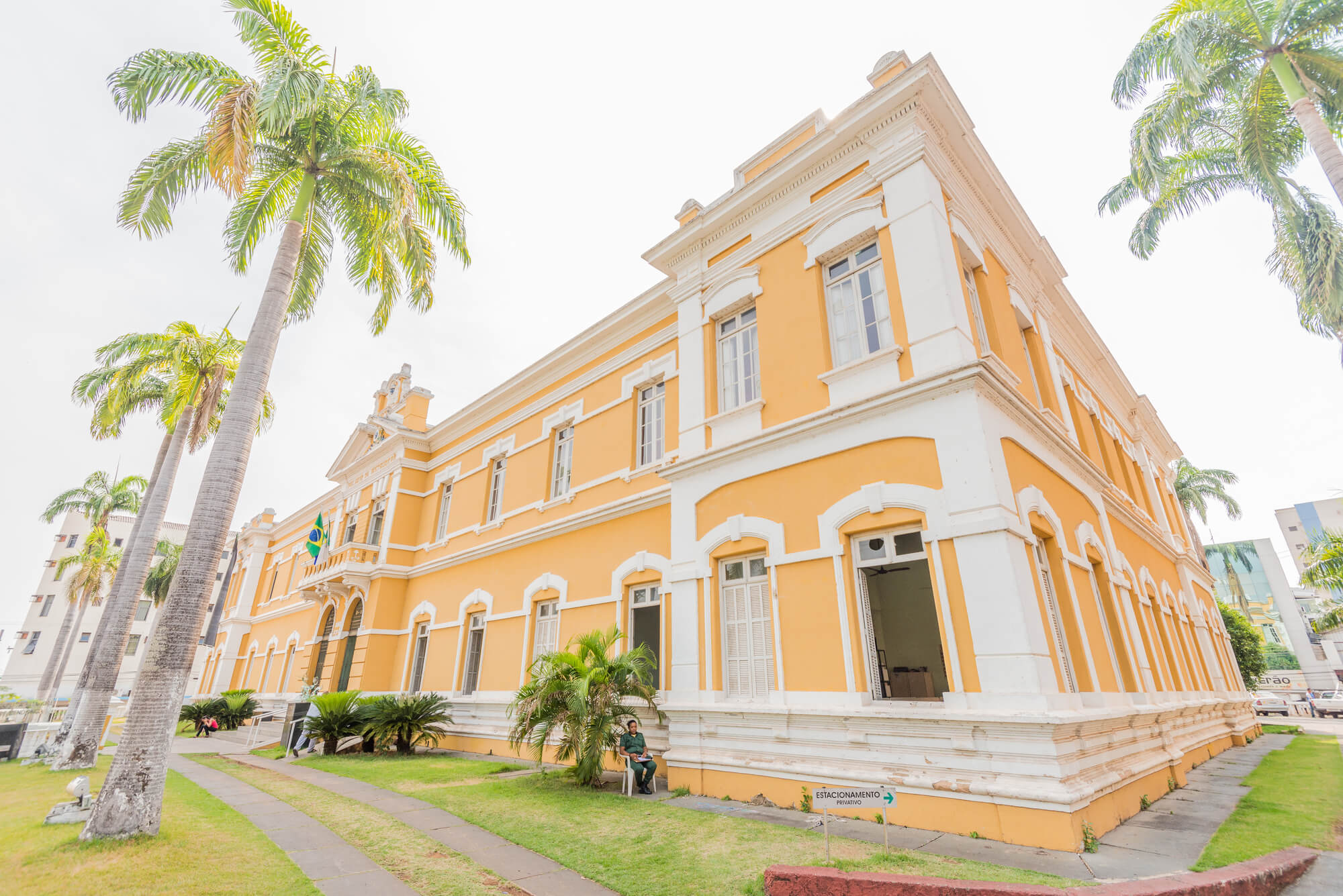
Another building that is a tourist attraction in the city is the Palácio da Instrução, a 1914 construction in neoclassical style, which today houses the Estevão de Mendonça State Public Library.
One of the must-see tours is the Museu do Morro da Caixa D’água, which for more than 100 years was the only water reservoir in the city of Cuiabá and today, as a museum, tells a little of the city’s history.

Authentic flavors of Cuiabá
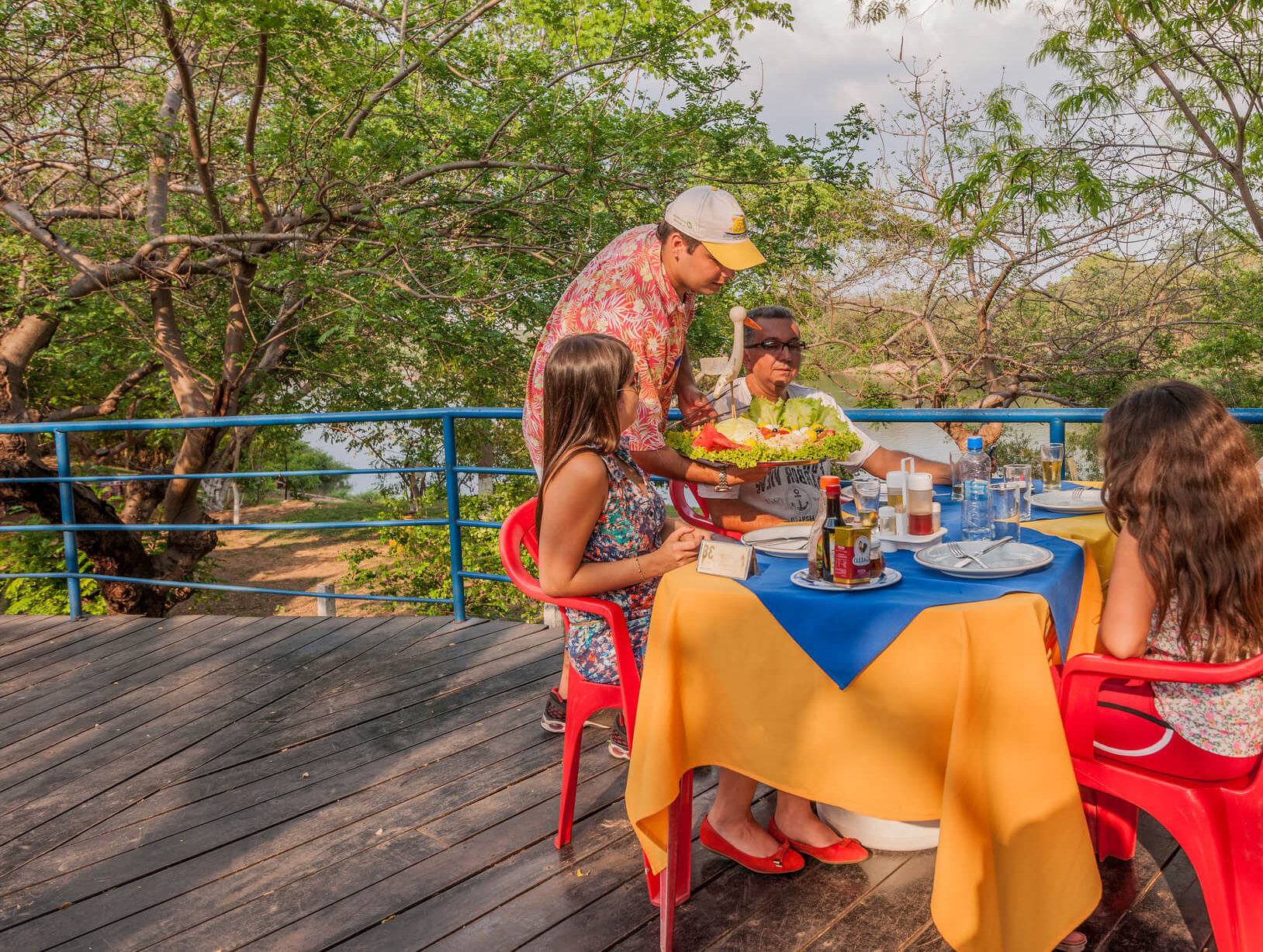
With typical dishes that celebrate local culture, highlights include delicacies such as Maria Isabel, a dish prepared with rice and sun- dried meat, paçoca de pilão (a type of paçoca made with cornmeal), and the delicious and traditional painted fish, which comes from the rivers that surround the region. You can’t miss grated guaraná on the menu, a drink as common to the people of Mato Grosso as coffee, often consumed on an empty stomach to renew energy.
Bathed by the Cuiabá River, the city has a large volume of fresh water. For this reason, the most varied types of fish are predominant on the menu. Among the most famous (and delicious) are pacu, matrinxã and piraputanga. The colorful and spice-rich dishes from Cuiabá are capable of providing incredible sensations, in addition to taking visitors on a true journey through the history of Mato Grosso.
And for dessert, Cuiabá has even greater surprises in store. The local sweets are prepared with ingredients easily found in the region and are characterized by their simplicity and homemade flavor. Among the most common delicacies, rice cake, furrundu (a type of papaya sweet) and rapadura are some of the highlights.
Be sure to visit the Mercado do Porto: one of the most traditional markets in the city, where you can find a variety of local products, such as fruits, vegetables, fresh fish, handicrafts and spices.
The distinctive seasonings of Cuiabá cuisine, such as chili pepper, and the influence of indigenous people and riverside peoples enrich the flavors of this cuisine, which is an invitation to a unique gastronomic journey, immersed in the tradition and authenticity of this city in the Brazilian Midwest.
Ecotourism in Cuiabá, gateway to the Pantanal
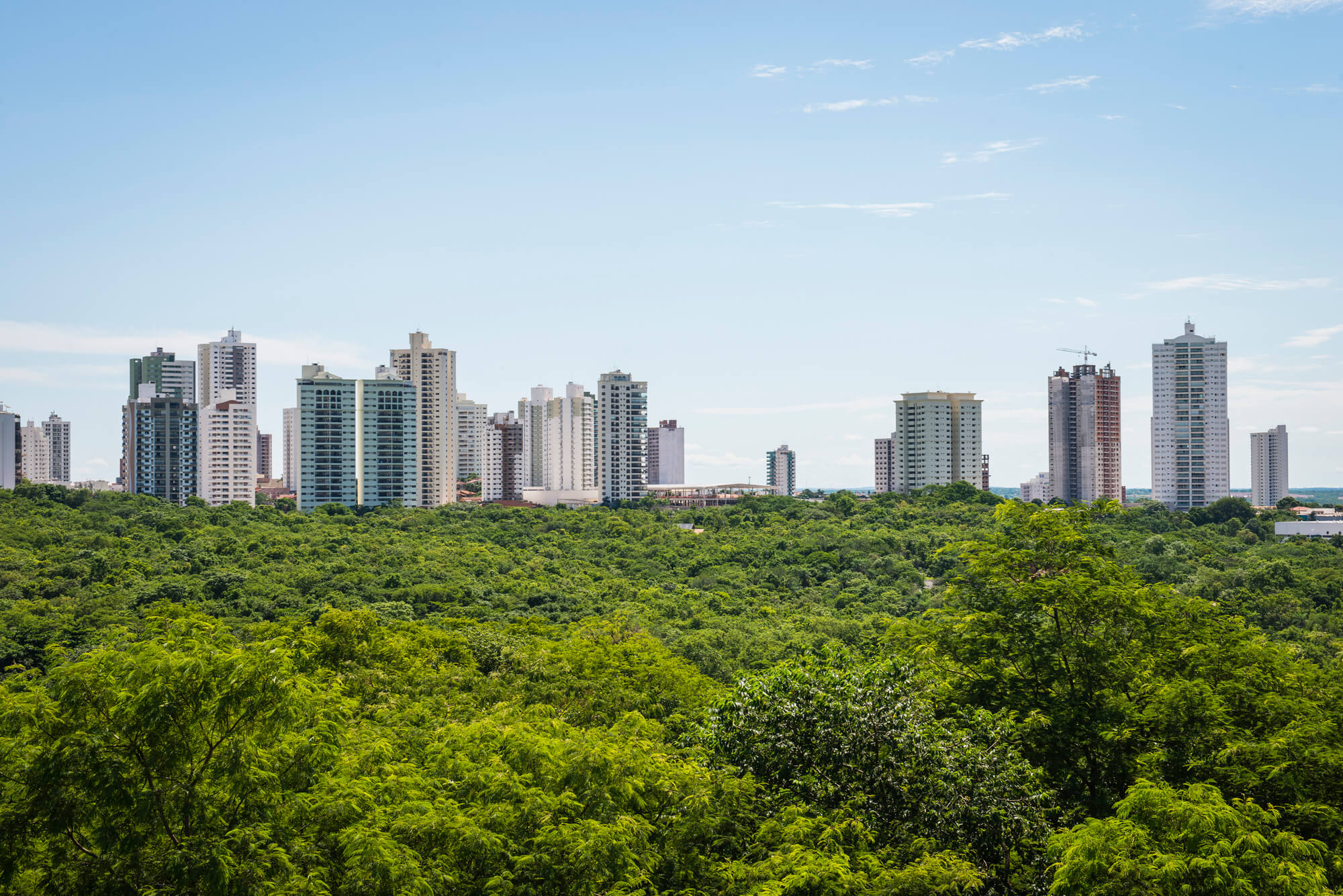
Cuiabá offers several places to enjoy the outdoors, such as the Mãe Bonifácia Park, which has an area of over 70 hectares with trails, a walking track, a playground, equipment for physical activities and a viewpoint. In the area, it is possible to find several species of flora typical of the Brazilian savannah.
The city is also close to several ecotourism attractions, such as the Chapada dos Guimarães National Park, where visitors can see the Véu de Noiva Waterfall, a waterfall of impressive beauty.
Through Cuiabá, it is also possible to access the Pantanal, considered a World Heritage Site by UNESCO, which offers an incomparable experience for ecotourism lovers. The vast floodplains, winding rivers and rich biodiversity provide a unique setting for exploring the wild nature.
Boat trips along the waterways, trails through the exuberant flora and photo safaris reveal the diversity of birds, mammals and reptiles, allowing direct contact with wildlife. It is an immersive journey into untouched nature, where each moment reveals a new surprise and highlights the importance of this unique ecosystem. Just one more of the charms that you will have the opportunity to discover when visiting Cuiabá!
To ensure your experience is safe and enjoyable, Visit Brasil recommends hiring certified service providers who comply with technical standards for ecotourism and adventure activities.
Photo gallery