Porto Alegre: The Spirit of Southern Brazil
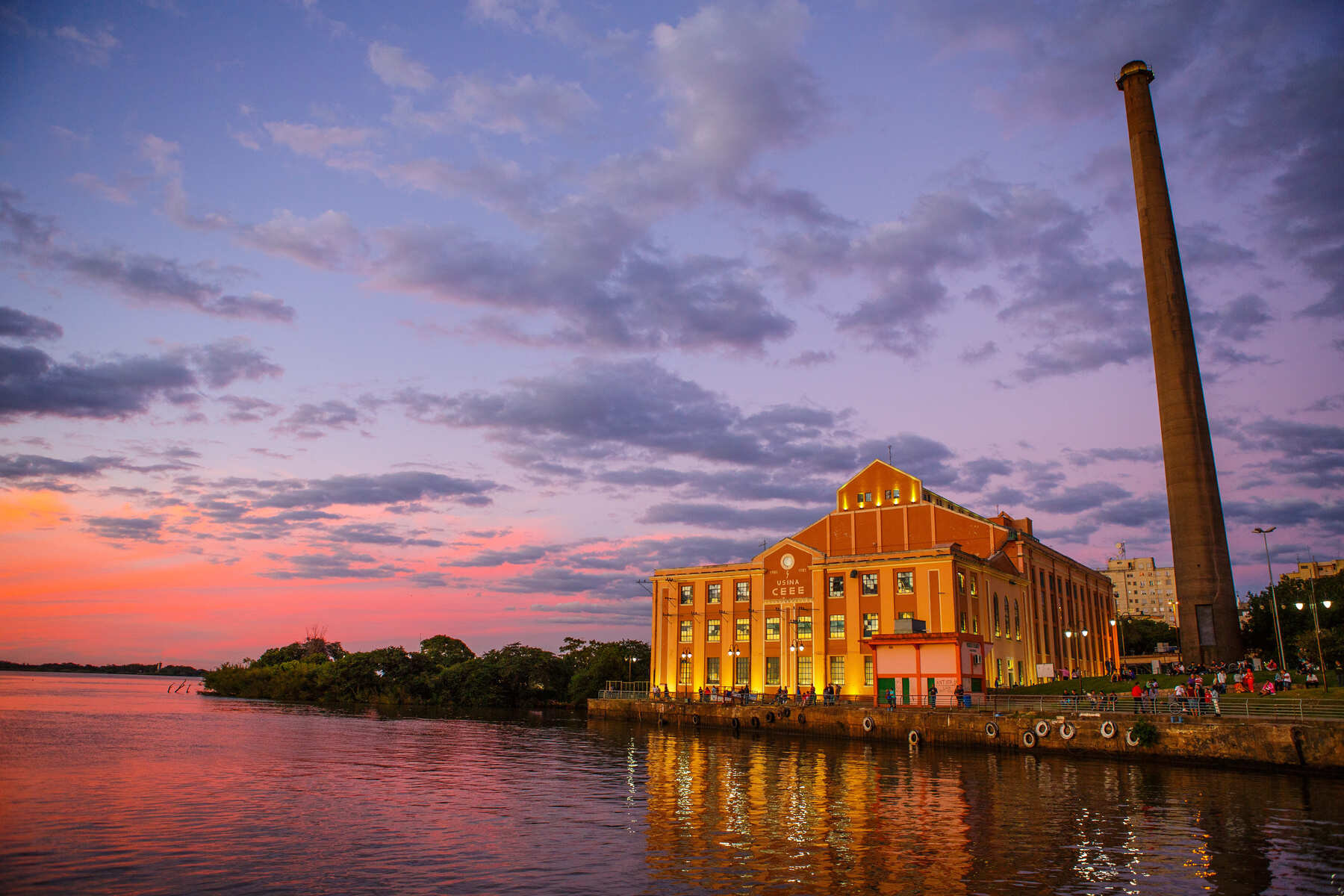
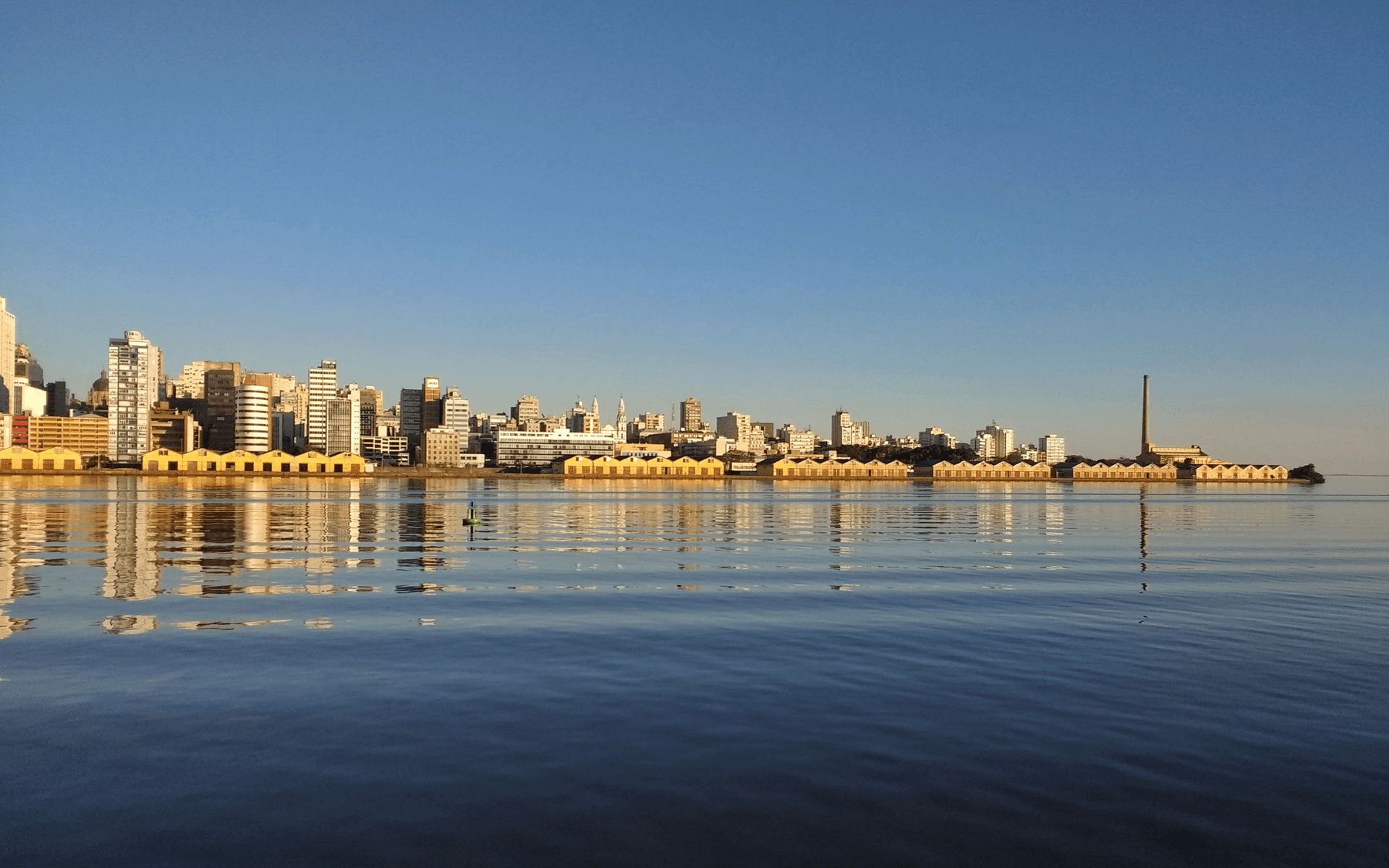
The sunset in Porto Alegre, the capital of Rio Grande do Sul, is often considered one of the most beautiful in Brazil. Combined with a rich cultural scene and lively nightlife, the city leaves a lasting impression on those who visit.
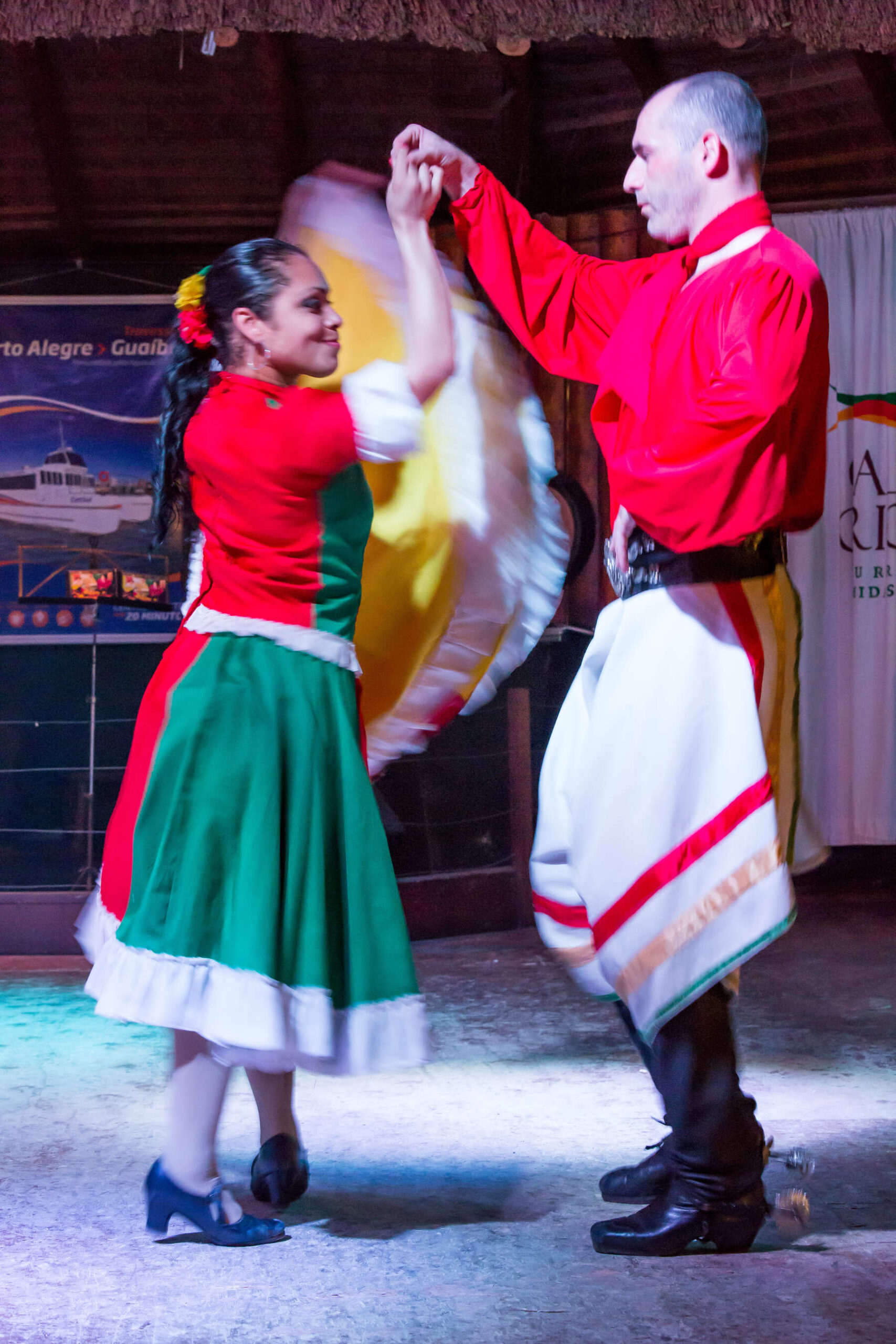
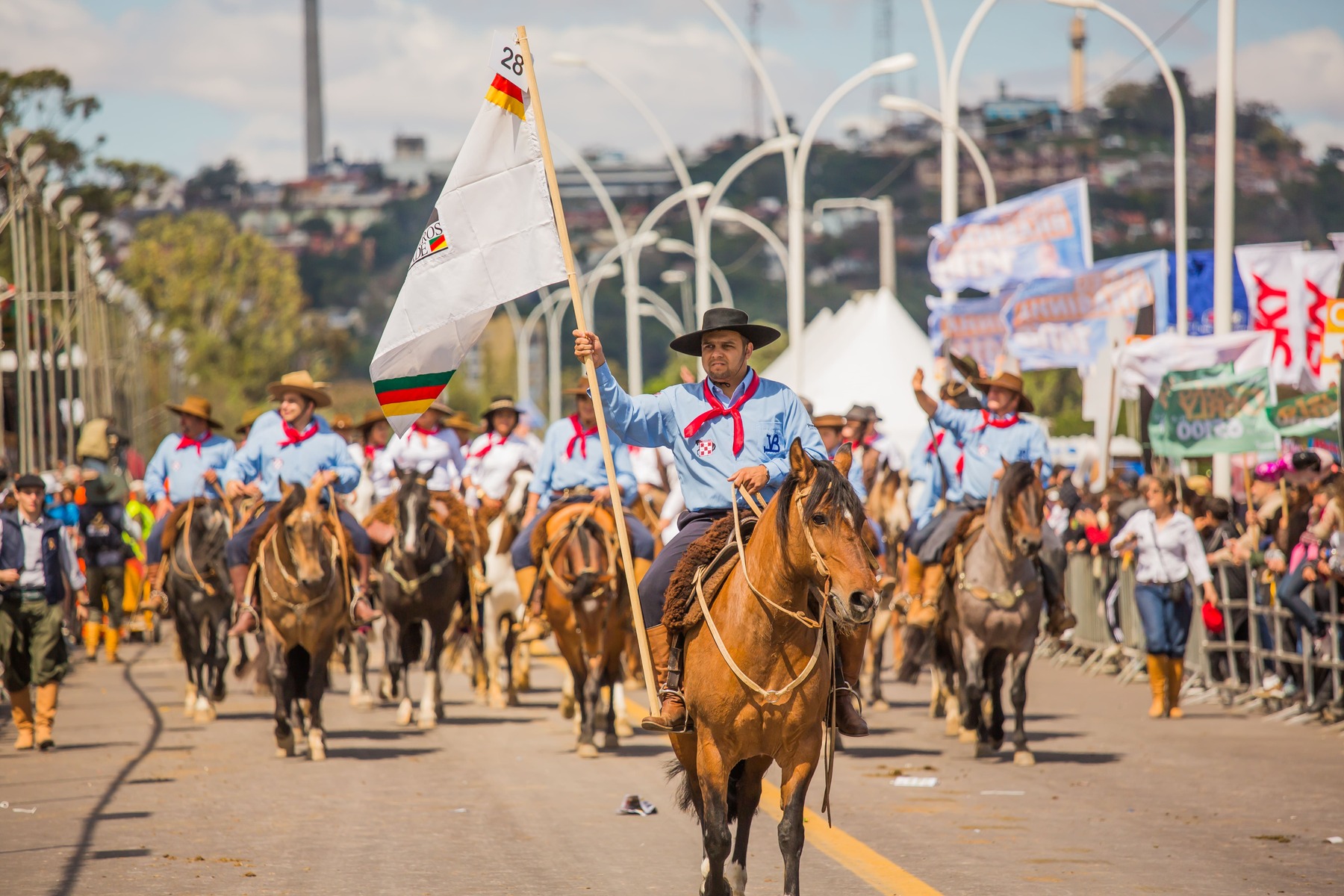
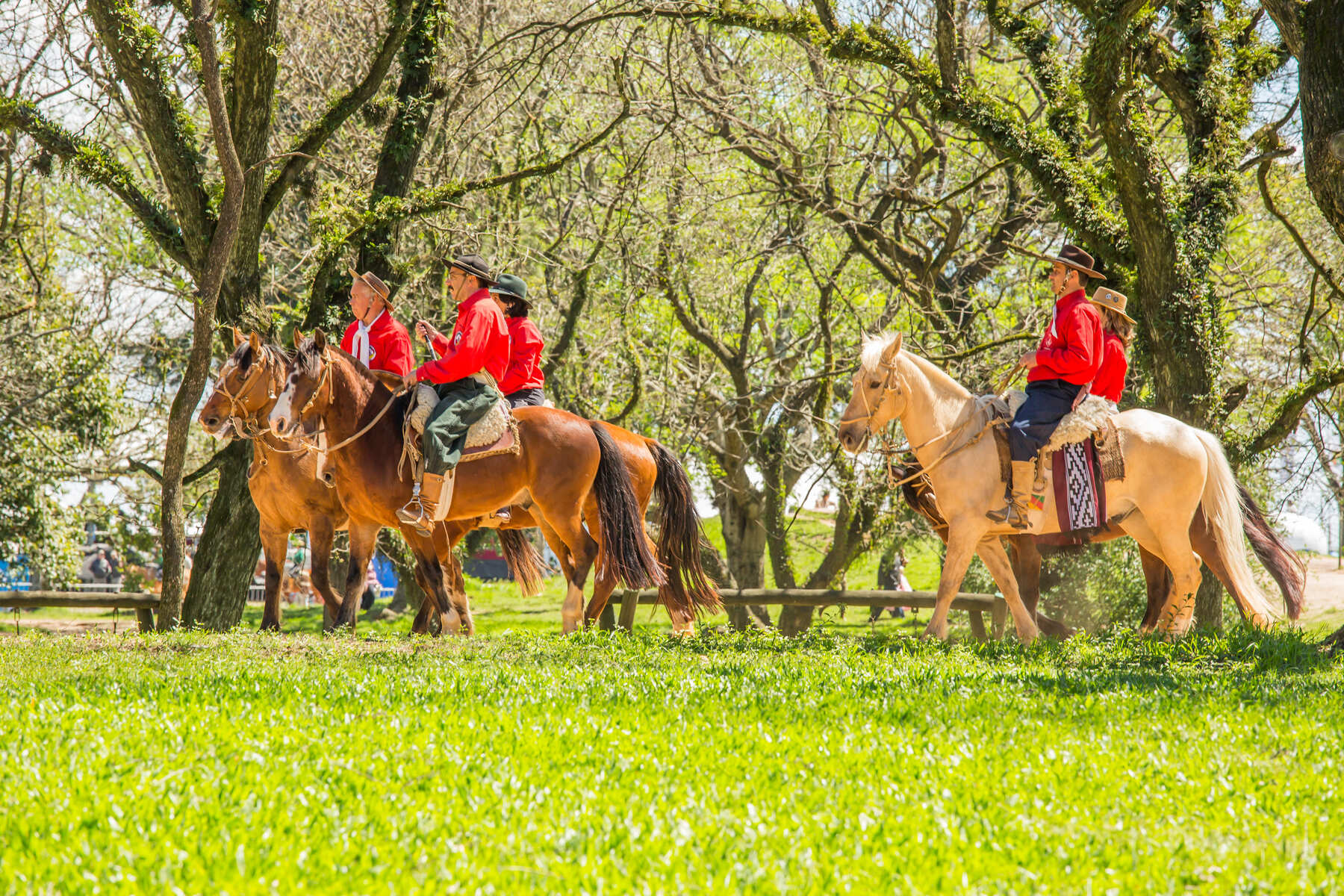
A multicultural city, Porto Alegre was shaped by generations of European immigrants who helped form the identity of southern Brazil. Their influence can still be seen in local traditions, cuisine, architecture, accents and everyday life, giving the region a character all its own.
Located about 120 km from the Serra Gaúcha mountain region, Porto Alegre is also the gateway to some of southern Brazil’s best-known destinations, including Gramado, Canela and Bento Gonçalves. Even if you plan to explore the surrounding towns, it is worth taking time to experience the capital itself.
Fun facts
City of Parks
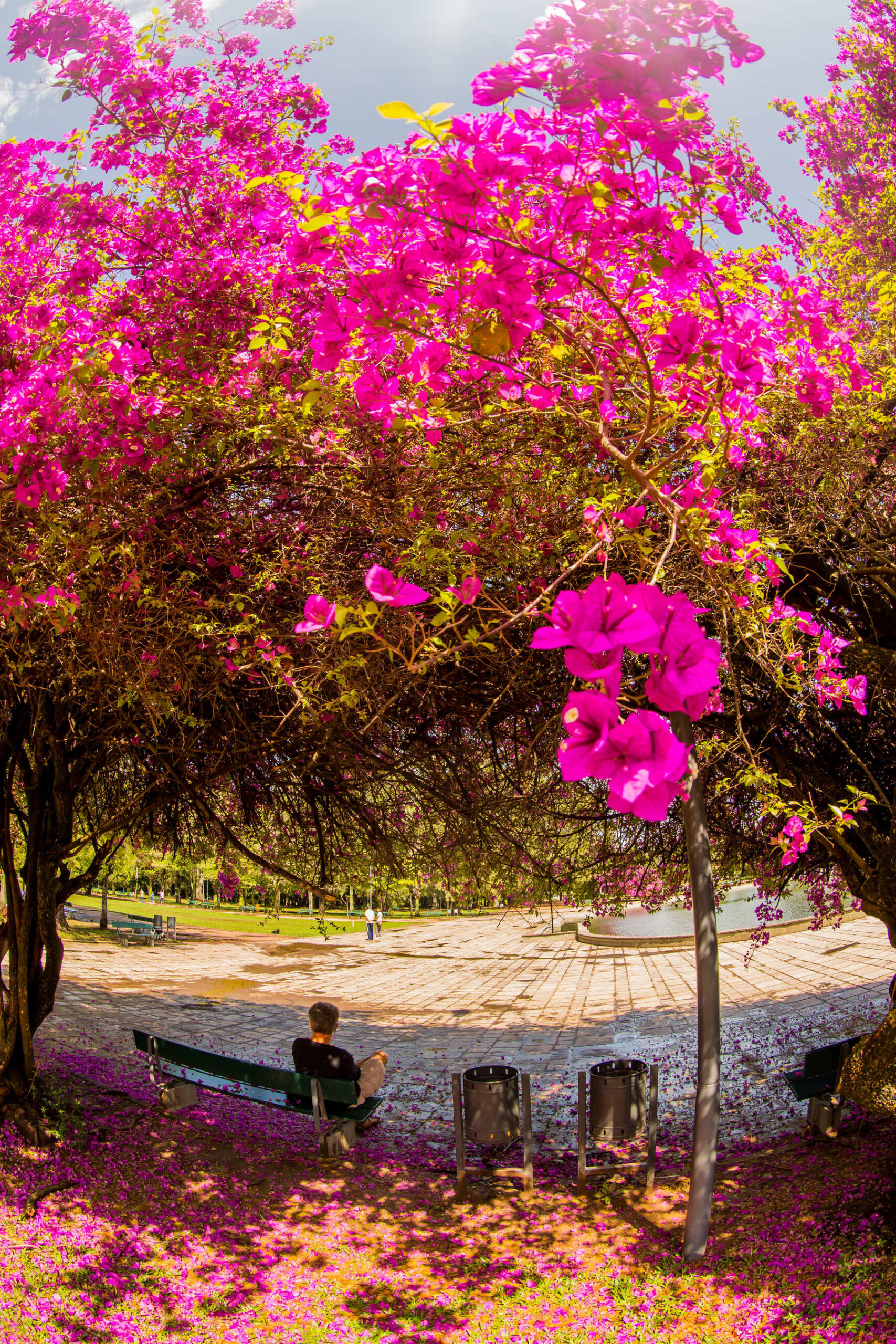
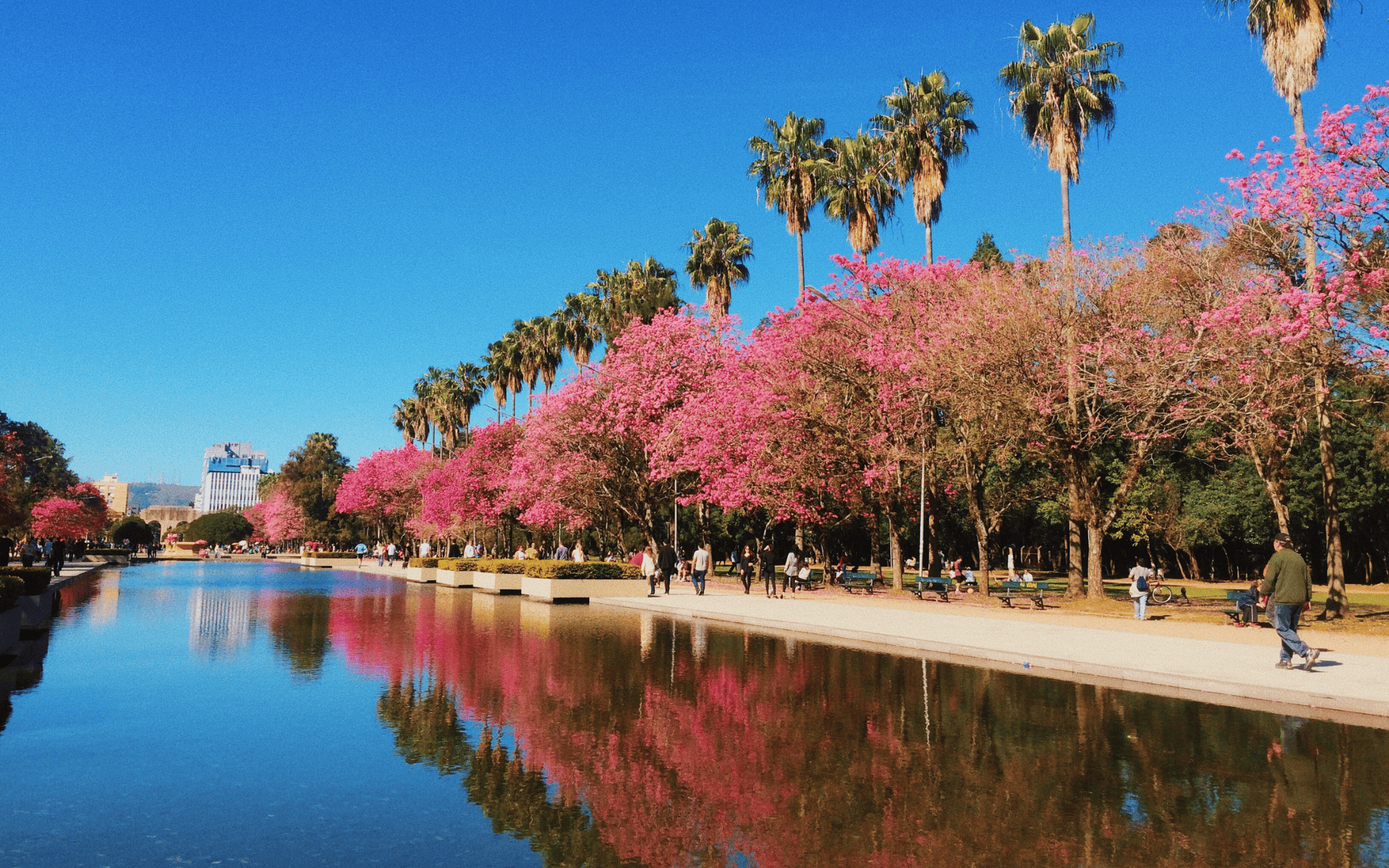
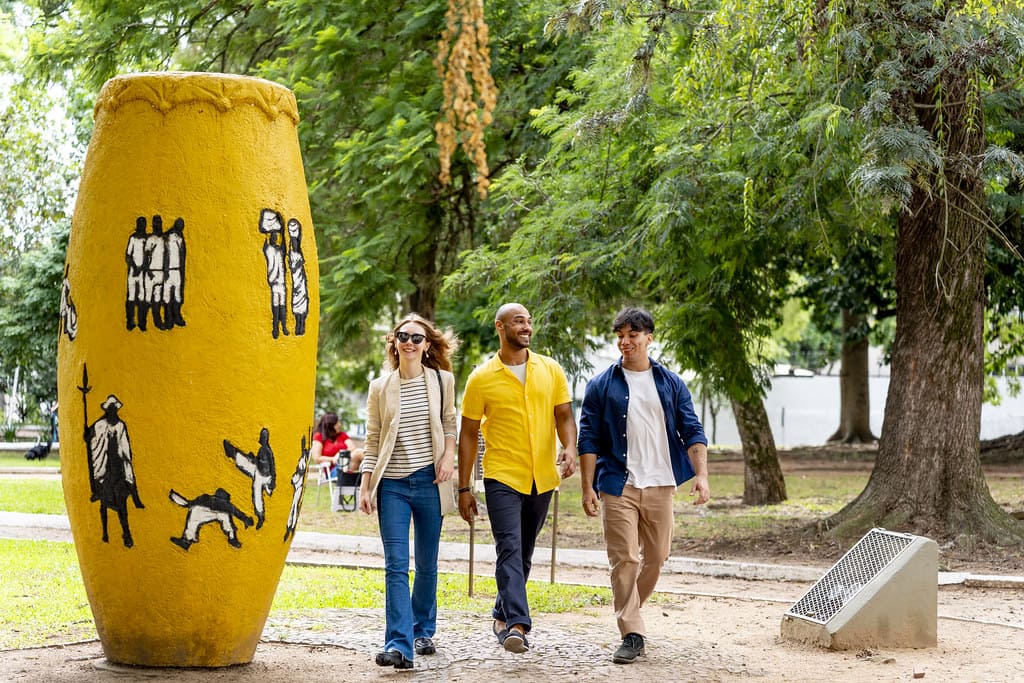
Known as the “City of Parks,” Porto Alegre offers many outdoor spaces for visitors who enjoy spending time close to nature.
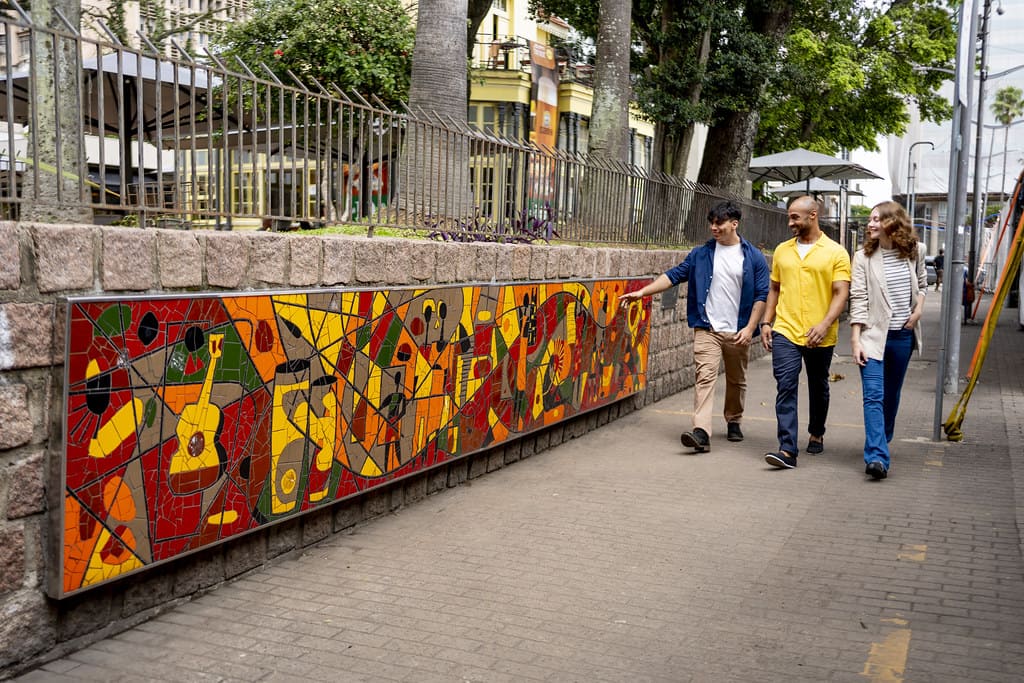
Street Art Route
For street art enthusiasts, murals and urban artworks can be found across several neighborhoods, turning parts of the city into an open-air gallery.
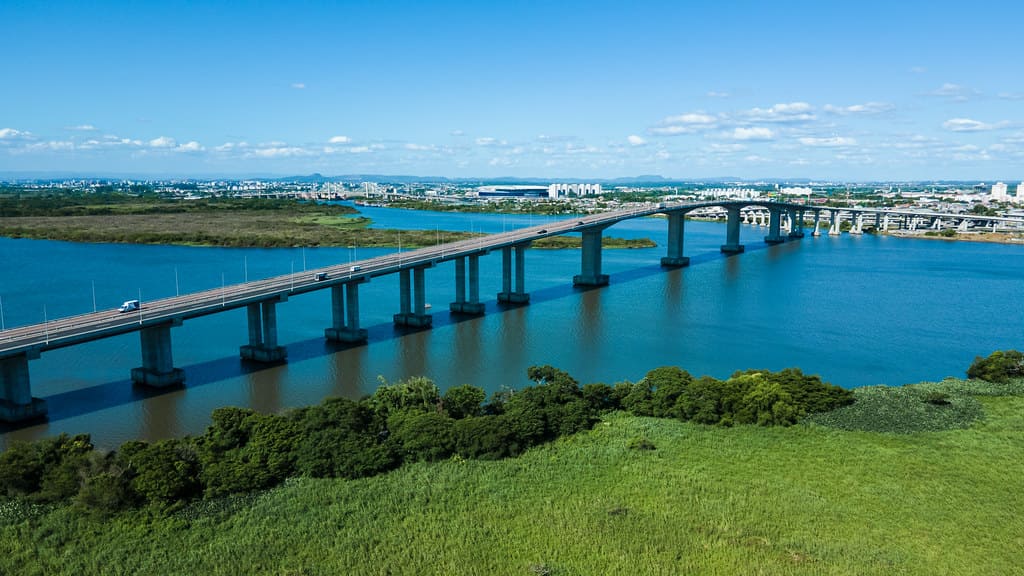
Guaíba Waterfront and Sunset
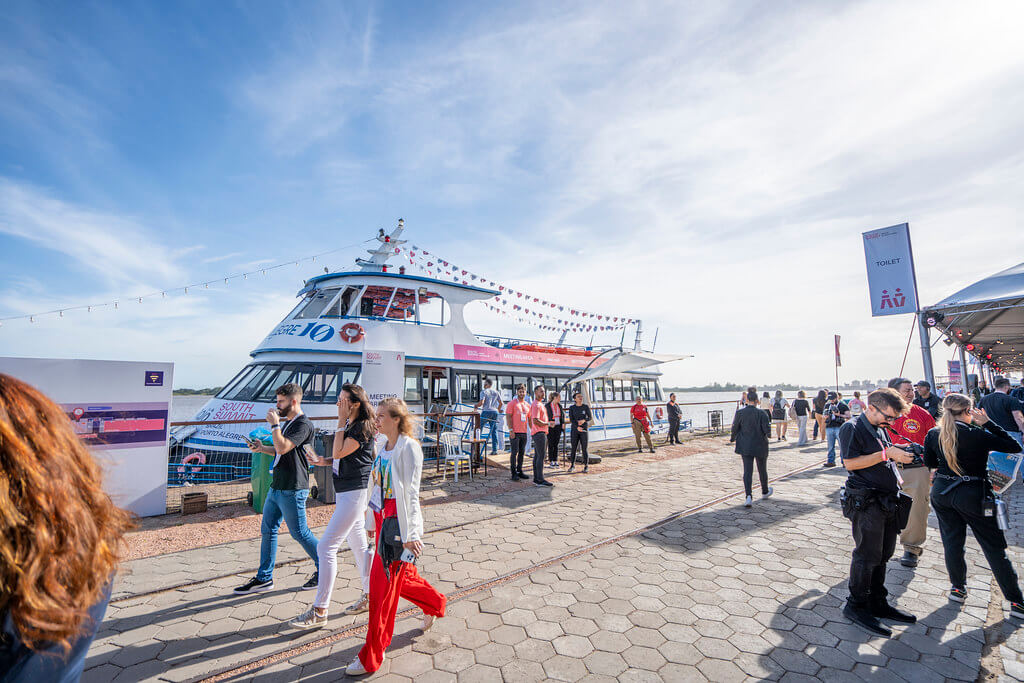
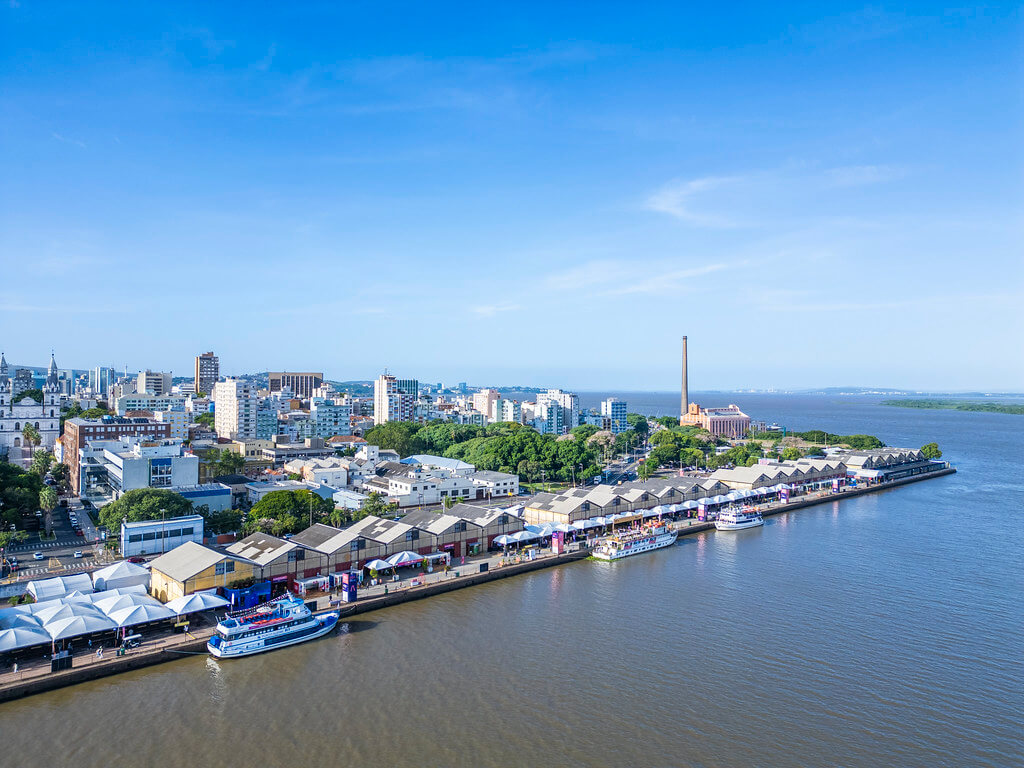
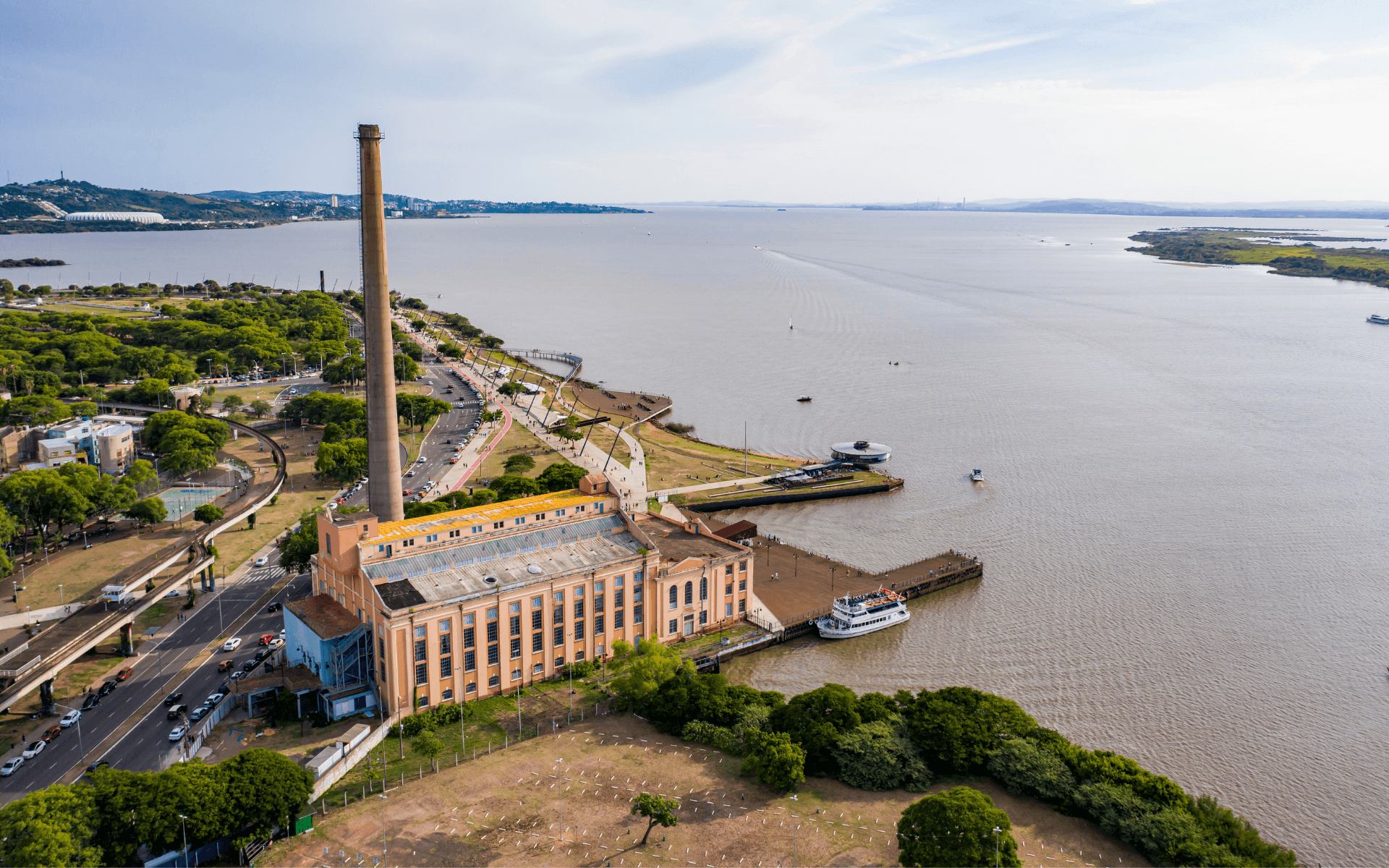
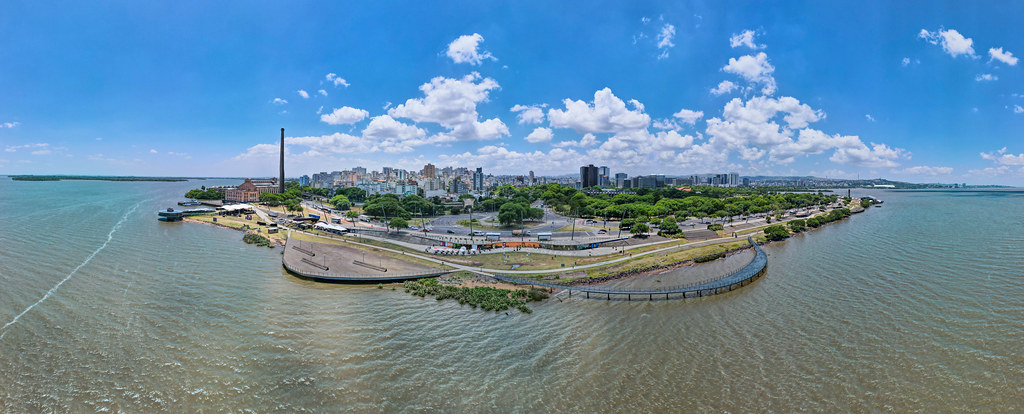
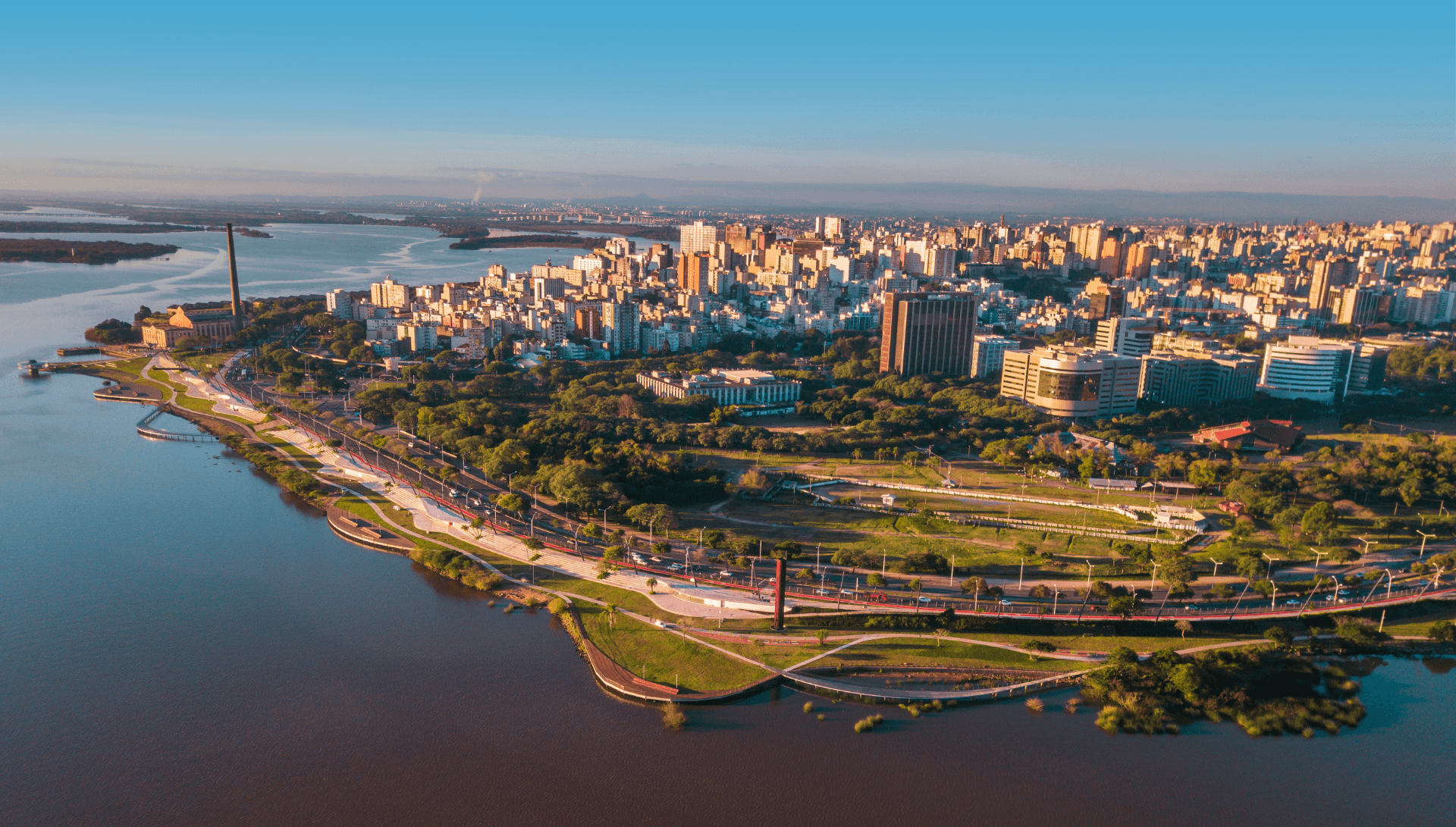
One of Porto Alegre’s best-known attractions, the Guaíba waterfront gathers locals and visitors every evening to watch the sunset over the water.
Gaúcho Cuisine and Traditions
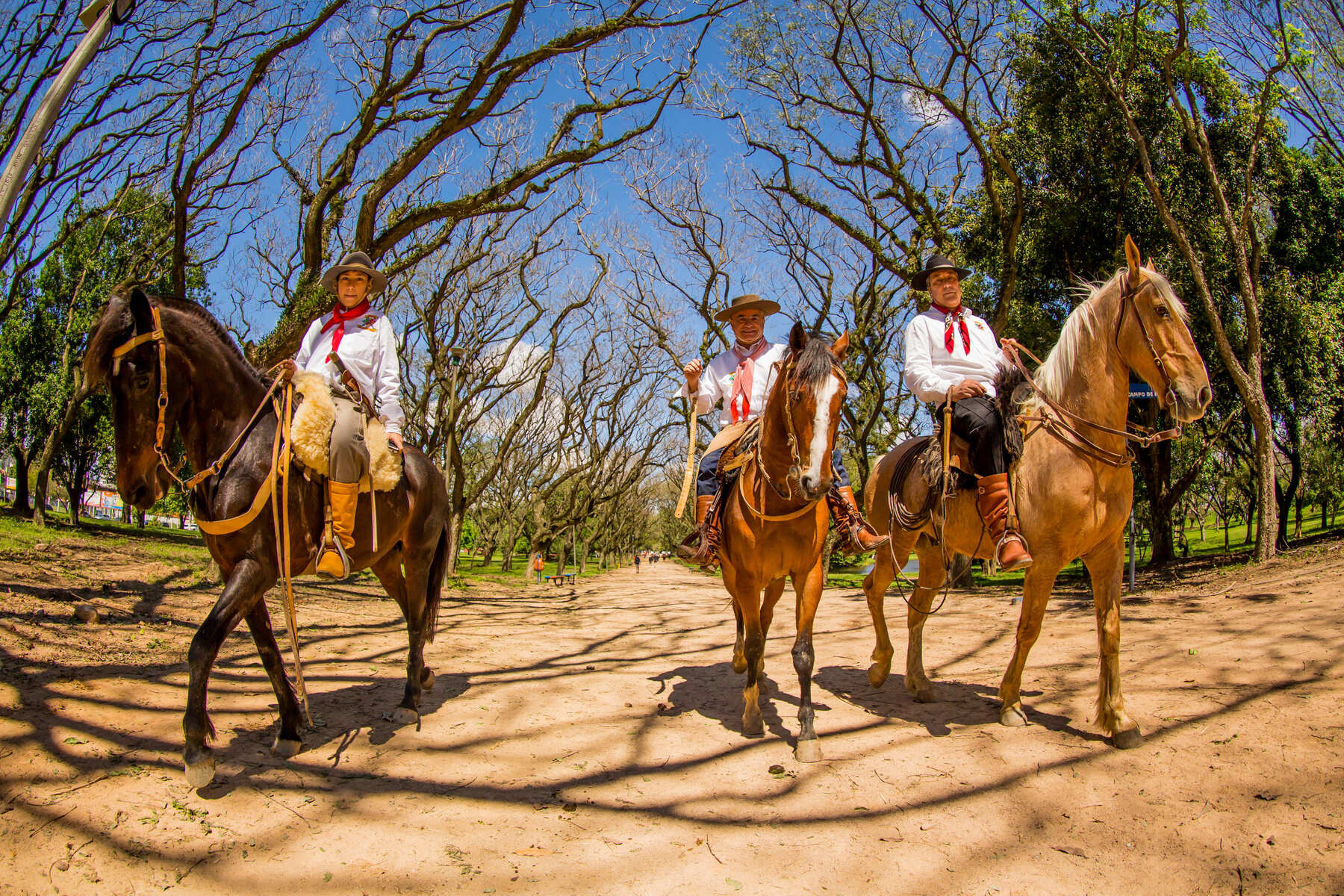
With mild seasons and strong European heritage, Rio Grande do Sul is a popular destination for travelers interested in wine tourism and regional food. Few experiences feel more welcoming than enjoying a local wine on a cool evening in Porto Alegre.
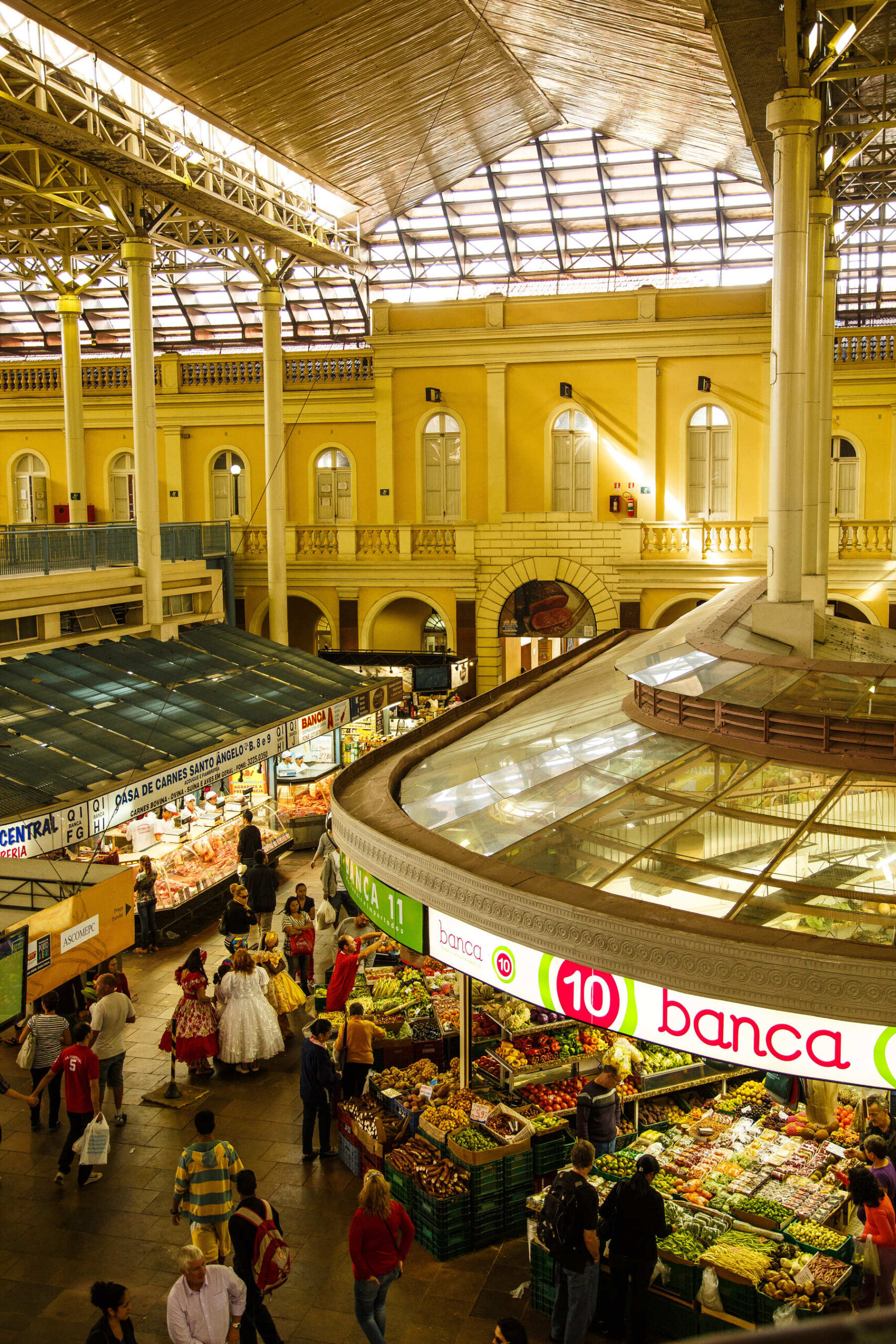
The city is known for its excellent restaurants, and no visit is complete without trying traditional gaúcho barbecue. Although barbecue is enjoyed across Brazil, the style from Rio Grande do Sul stands out for its quality cuts of meat, slow-cooking techniques and long-standing traditions.
Local cuisine, however, goes far beyond barbecue. Influenced by Indigenous traditions and generations of European immigrants, the region’s dishes include freshwater fish, lamb and recipes preserved through family traditions.
One ingredient commonly found in local dishes is ‘pinhão’, the seed of the araucaria tree native to southern Brazil. Another regional staple is ‘charque’, a type of dried and salted beef often served during family gatherings and weekend meals.
Italian and German influences are also present throughout the state’s culinary culture, especially in pastries, homemade recipes and dining traditions that remain part of everyday life.
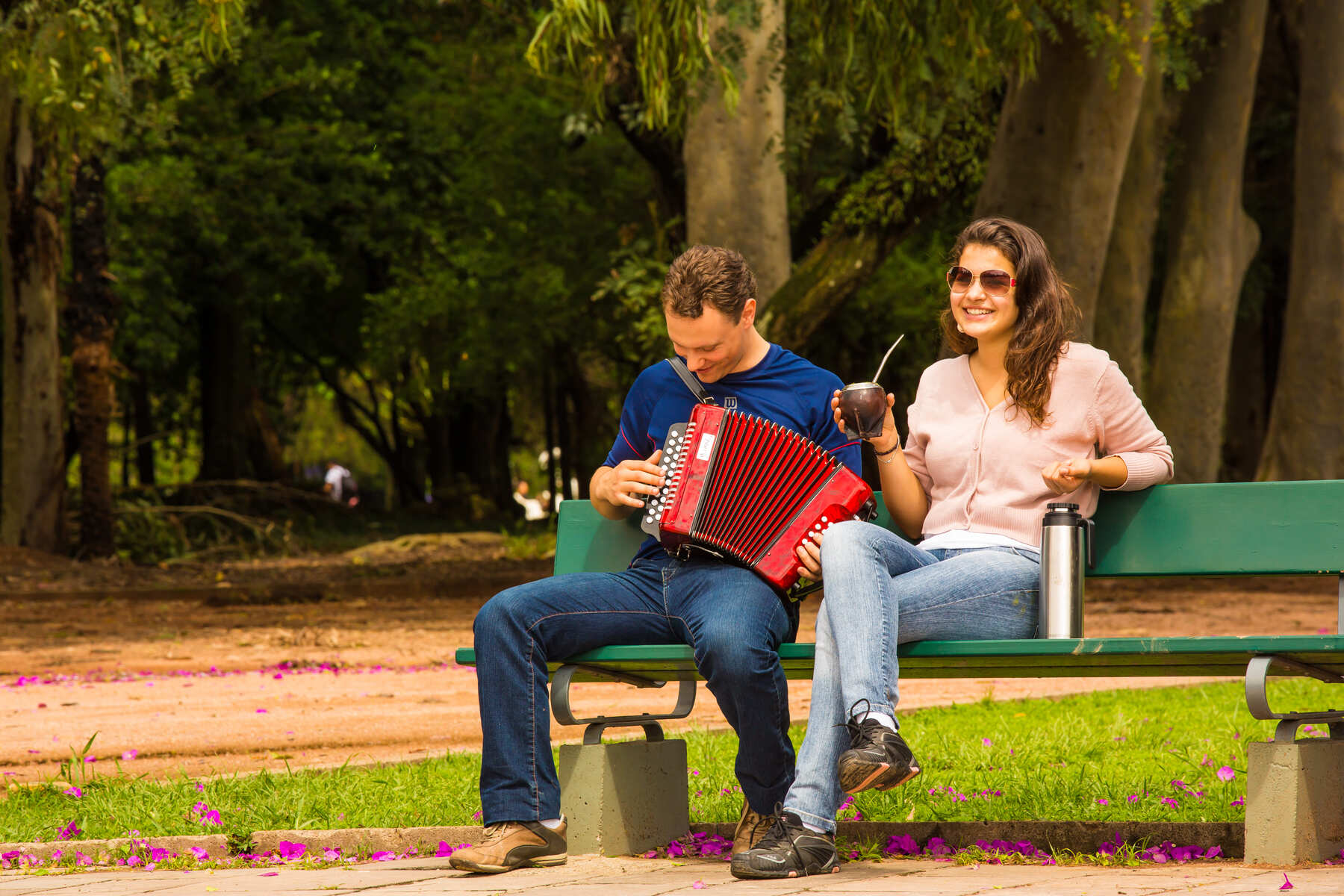
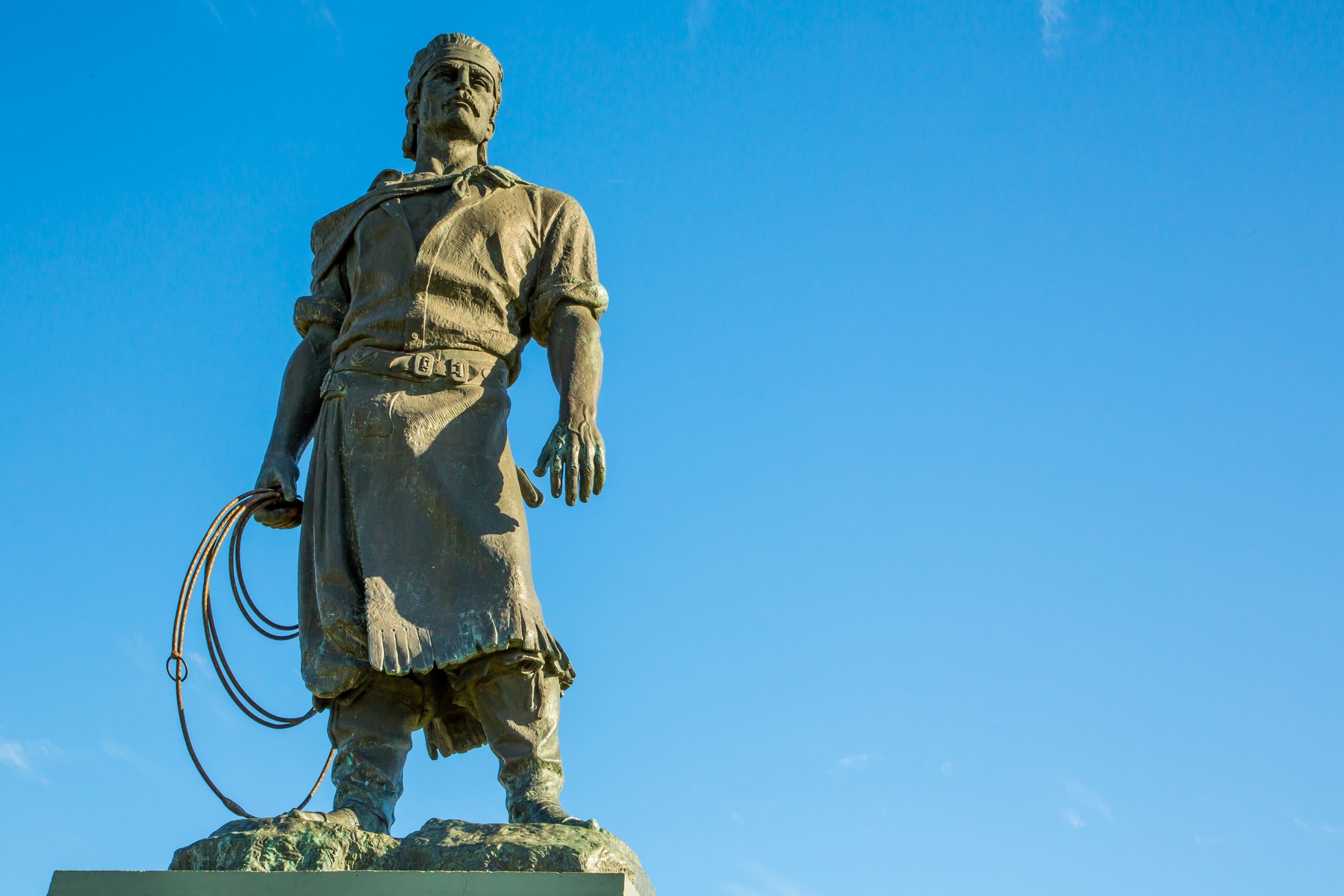
While exploring the city, be sure to try ‘chimarrão’, the traditional yerba mate drink of southern Brazil. Served hot and naturally bitter, it is usually shared in a gourd cup and represents hospitality, conversation and community.
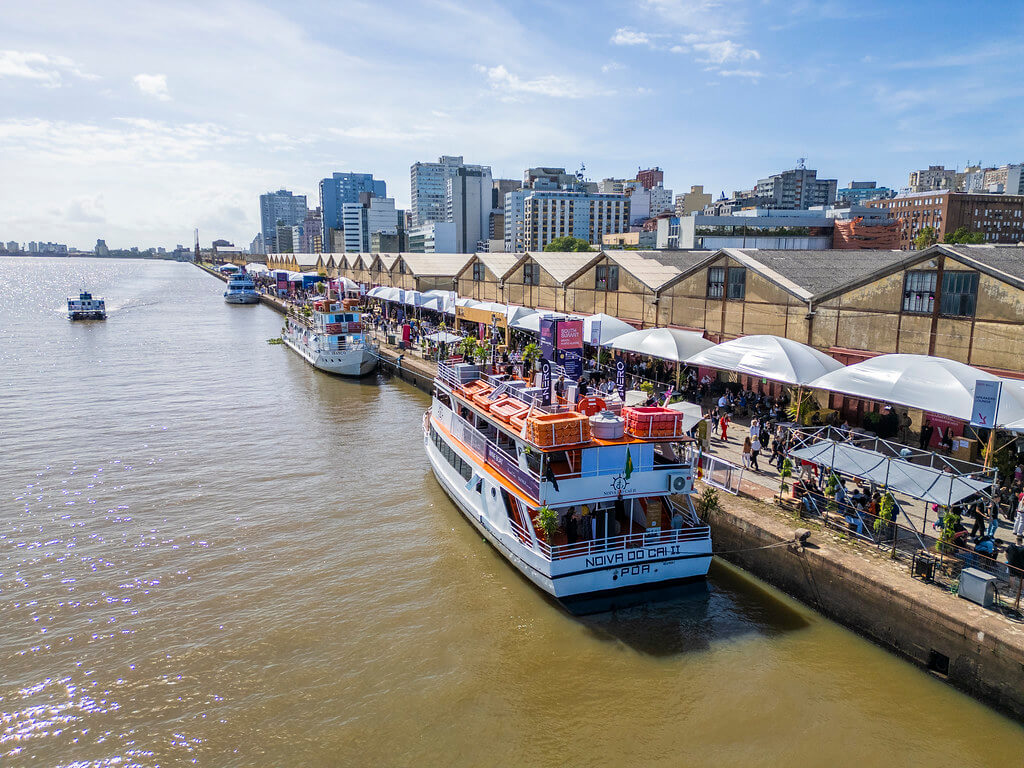
Culture and Local Life
Porto Alegre is home to more than 50 museums and memorials, 13 cultural centers, over 30 theater venues and several protected green areas.
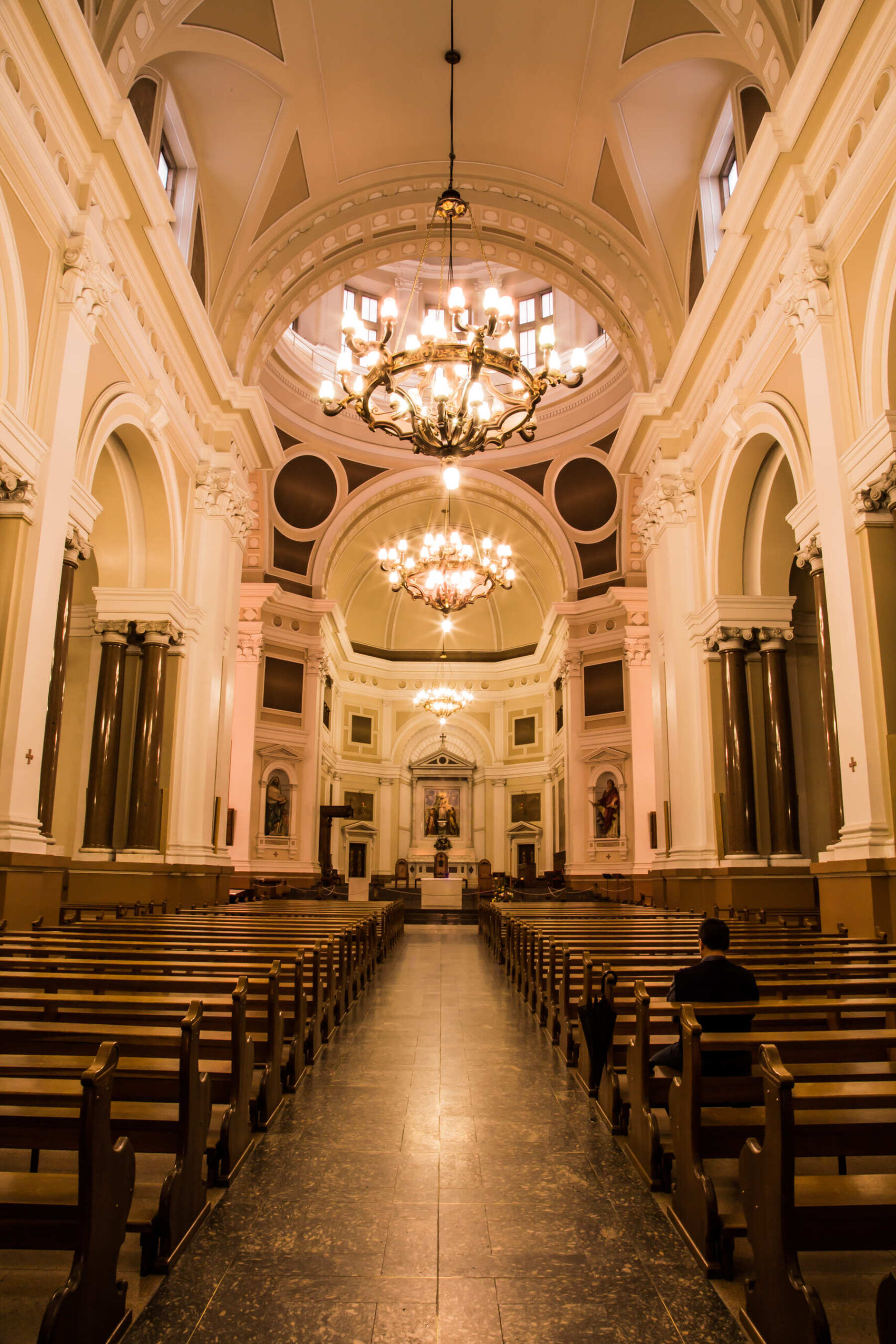
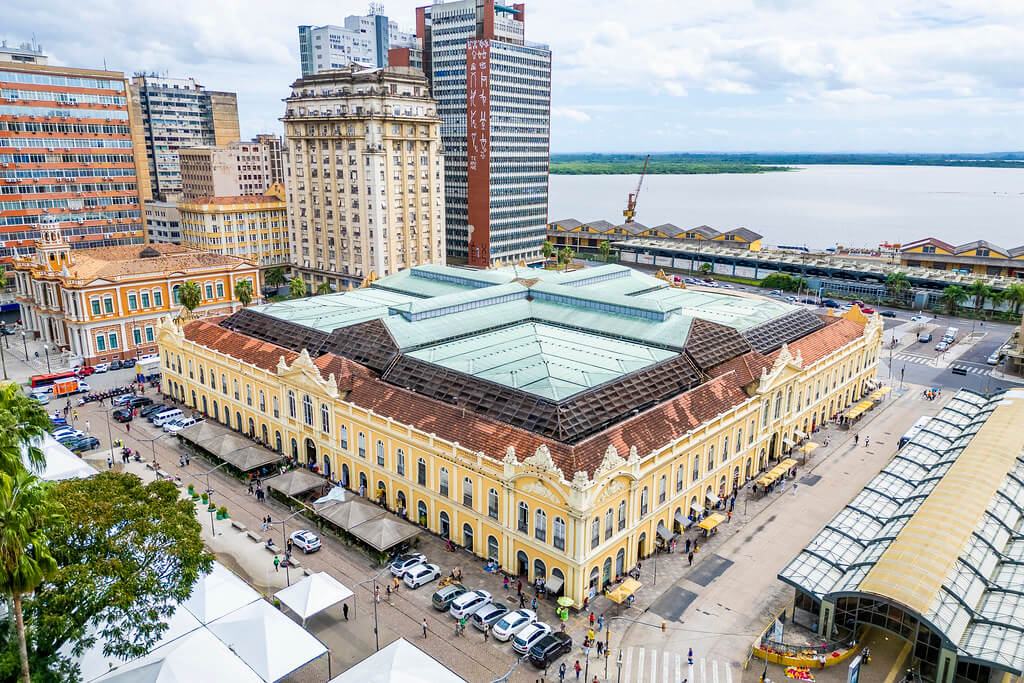
The historic downtown area brings together many of the city’s main cultural landmarks. Among them are the Metropolitan Cathedral, inspired by Italian Renaissance architecture; the Gasômetro, a former power plant transformed into a cultural space; and the Rio Grande do Sul Memorial, where visitors can learn more about the state’s history and traditions. The Mario Quintana Cultural House is also worth a visit.
Still in the city center, you can walk along Rua da Praia, browse local shops and end the day by the Guaíba waterfront, one of the city’s favorite places to watch the sunset.
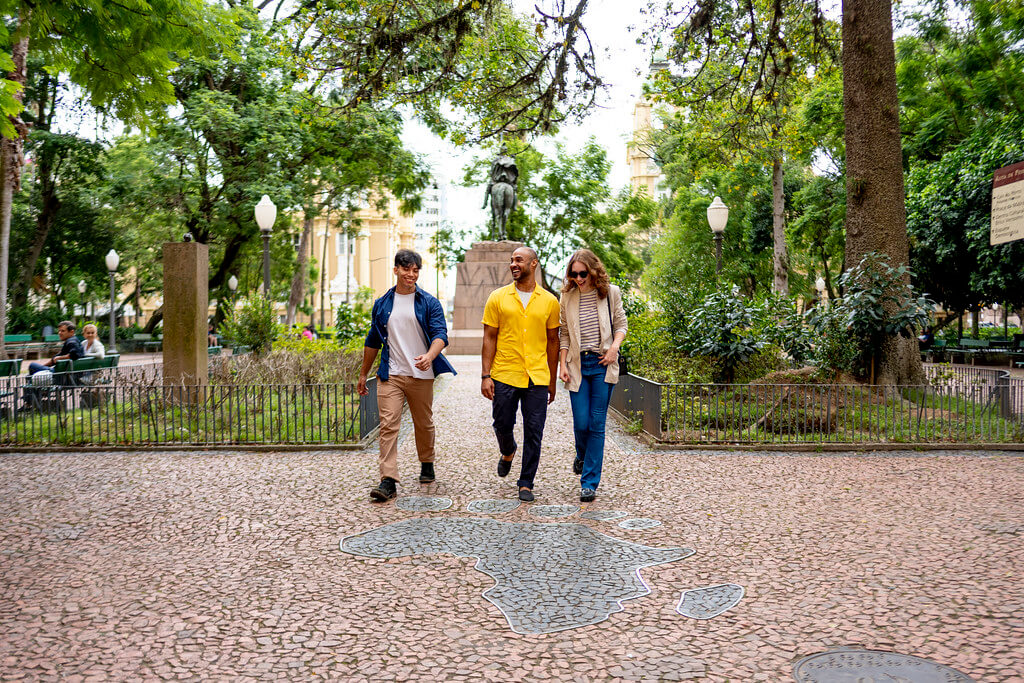
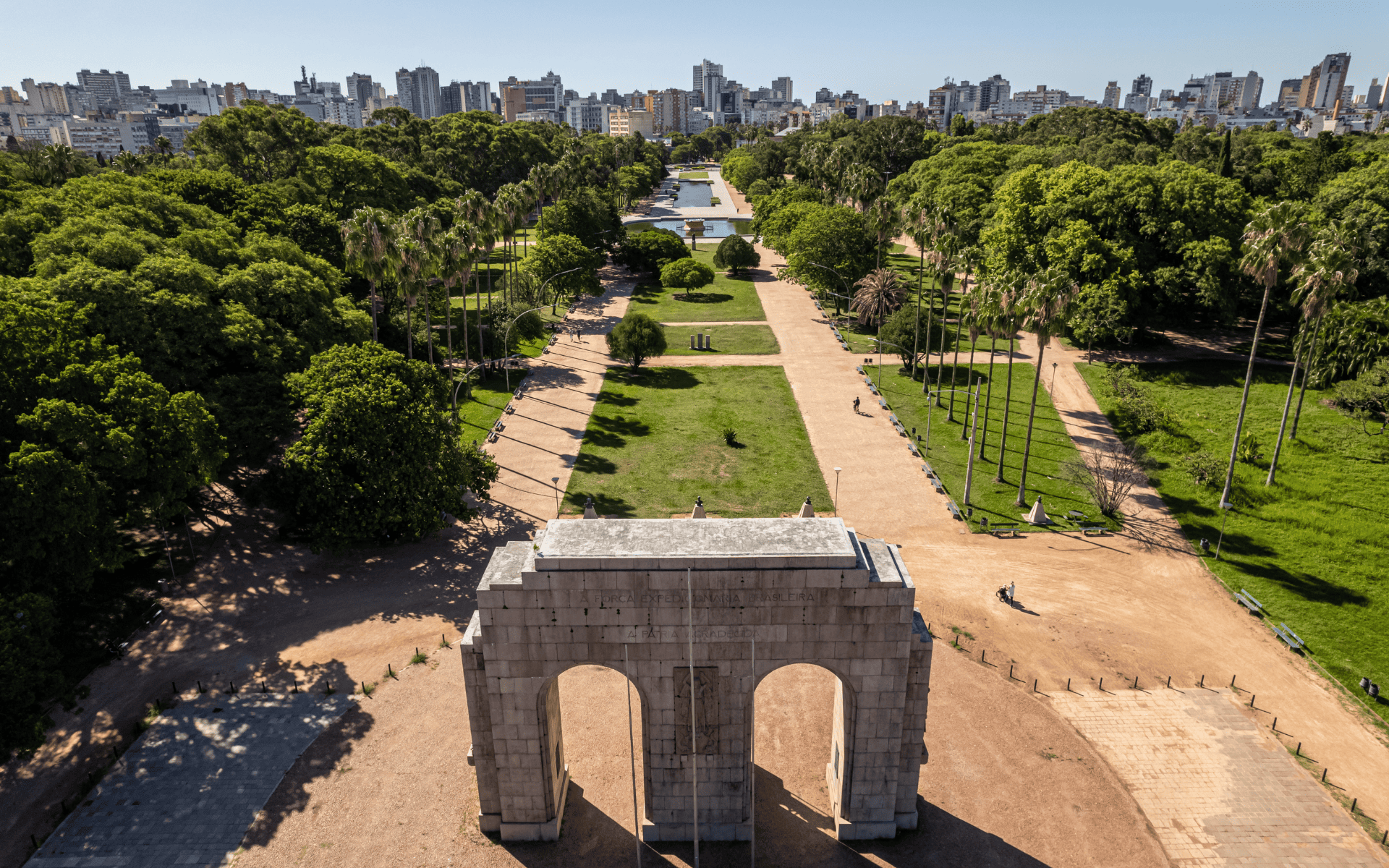
For those who enjoy green spaces, Porto Alegre is one of Brazil’s most tree-filled cities. Farroupilha Park, known locally as Redenção, is a popular gathering place for relaxing, exercising and spending time outdoors.
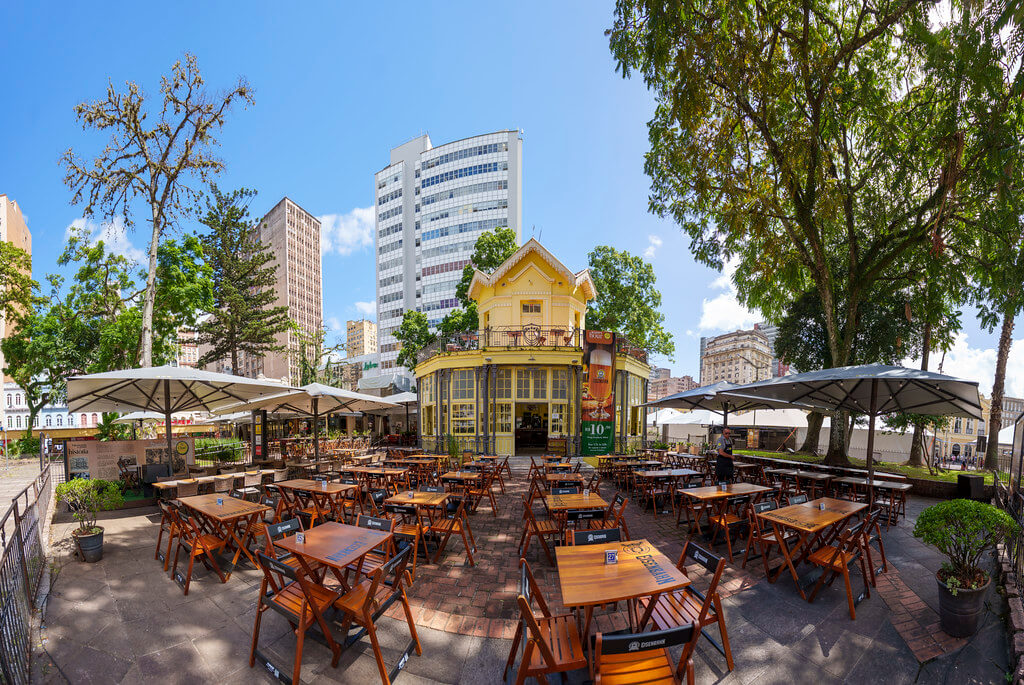
If you want to experience the city’s nightlife, Cidade Baixa is one of the main areas for bars, restaurants and live music.
Porto Alegre reveals itself gradually through its flavors, traditions, landscapes and everyday scenes. It is a city well worth discovering.
Photo gallery